

Your support keeps our blog going ♥ We may earn a small commission if you shop via our affiliate links. Learn more here.
Look — I don’t usually like telling people what they can or can’t do in their own homes. After all, a home should be the youest place there is, and you should do what feels right for you.
But as an interior designer, of course I have a few icks!
So here are 6 of my interior design icks, as well as 6 interior design tricks that I highly recommend 😉
1. DO mix shapes
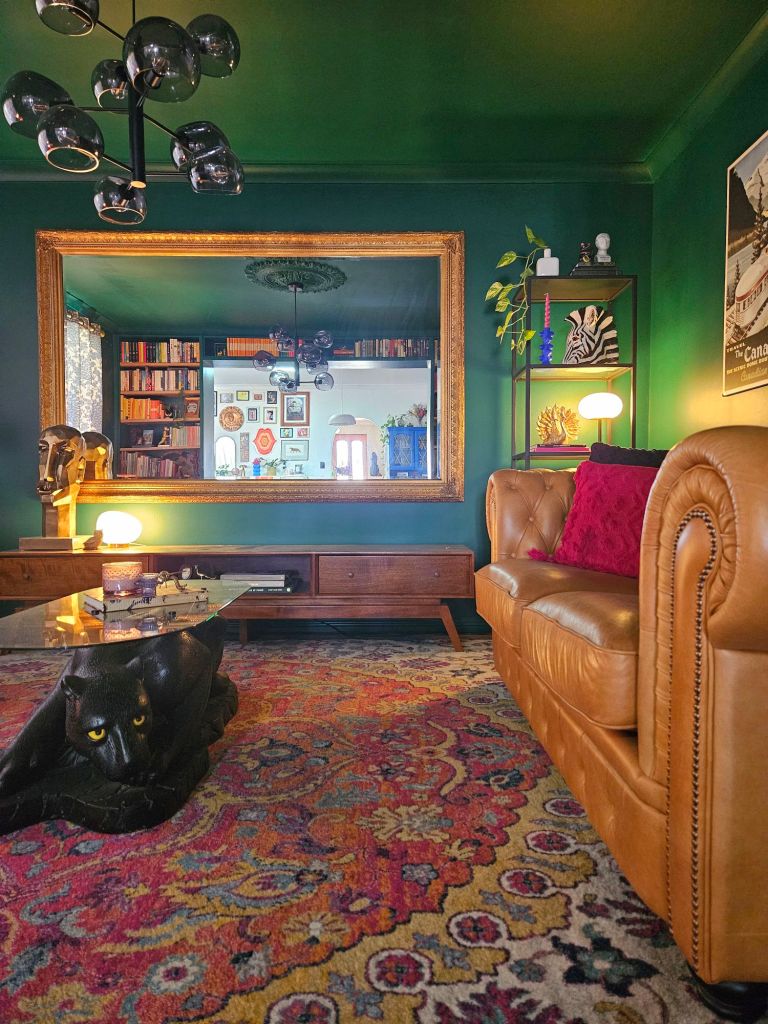
Decorating with too much of one thing can feel kinda… flat.
Unless you’re going for a particular design style that calls for it, it’s wise to mix up your use of shapes.
For example, sofas with straight arms and feet are typically more modern, while sofas with rolled arms and chunky, profiled feet are more traditional.
If you have a modern, boxy shaped sofa, styling it with a round or oval coffee table will help break up all the straight lines.
Straight lines tend to feel more modern and masculine, while curved lines feel more traditional and feminine. If that’s what you’re going for, great. But if not, mixing up your shapes will keep your space from feeling one note.
1. DON’T be matchy matchy
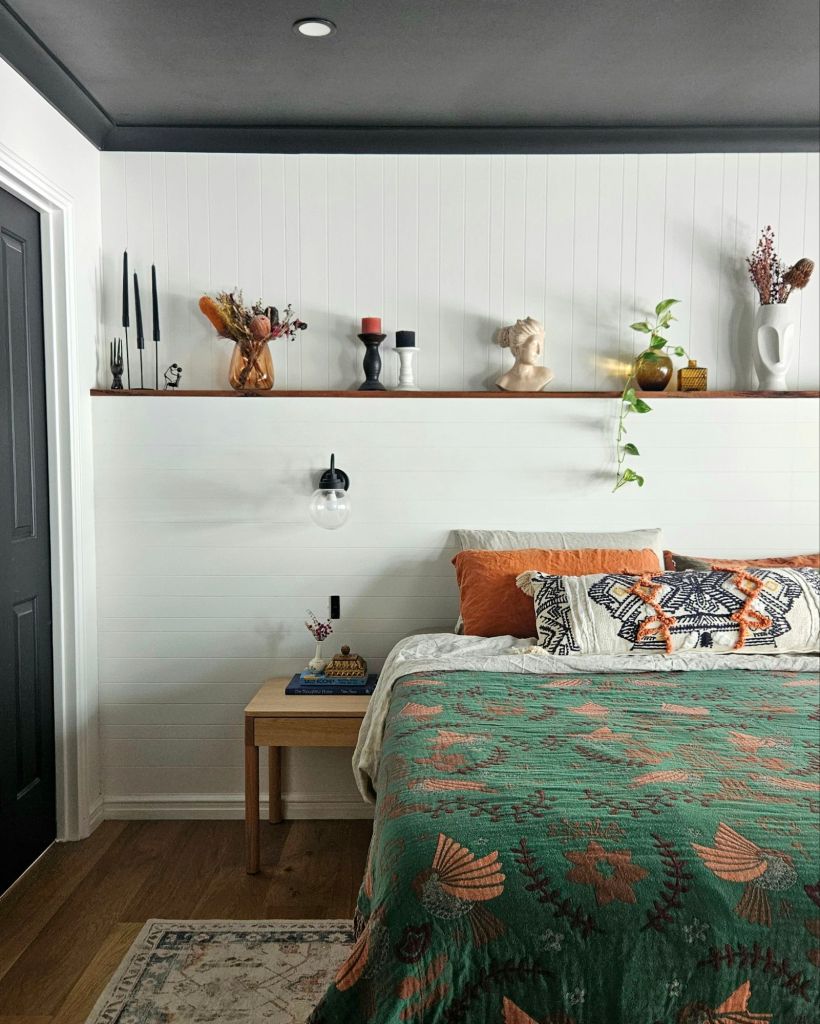
You know those bedroom furniture bundles that include a bed frame, bedsides and a tallboy, all for a package price?
Don’t do it! 😱
Who says your furniture should be from the same family? In fact, it’ll look a lot more interesting and intentional if you don’t go for matchy matchy.
You can still tie everything together with a common element like colour or material, but there’s no need for the pieces to be the same.
2. DO hang your curtains high

Even though your window might only take up two thirds of your wall, it doesn’t mean you should only cover that space.
Hanging your curtains high gives the illusion of higher ceilings. So, install your rod or track just below the ceiling and let the curtains drape just above the floor.
🎬 WATCH: Hang your curtains high
Equally, hanging your curtains wide gives the illusion of a larger space. Ordering curtains that sit wider than your window (or even wall to wall) will improve the finished look. Just make sure you get them wide enough to allow for fullness in your curtains.
2. DON’T ignore your ceiling
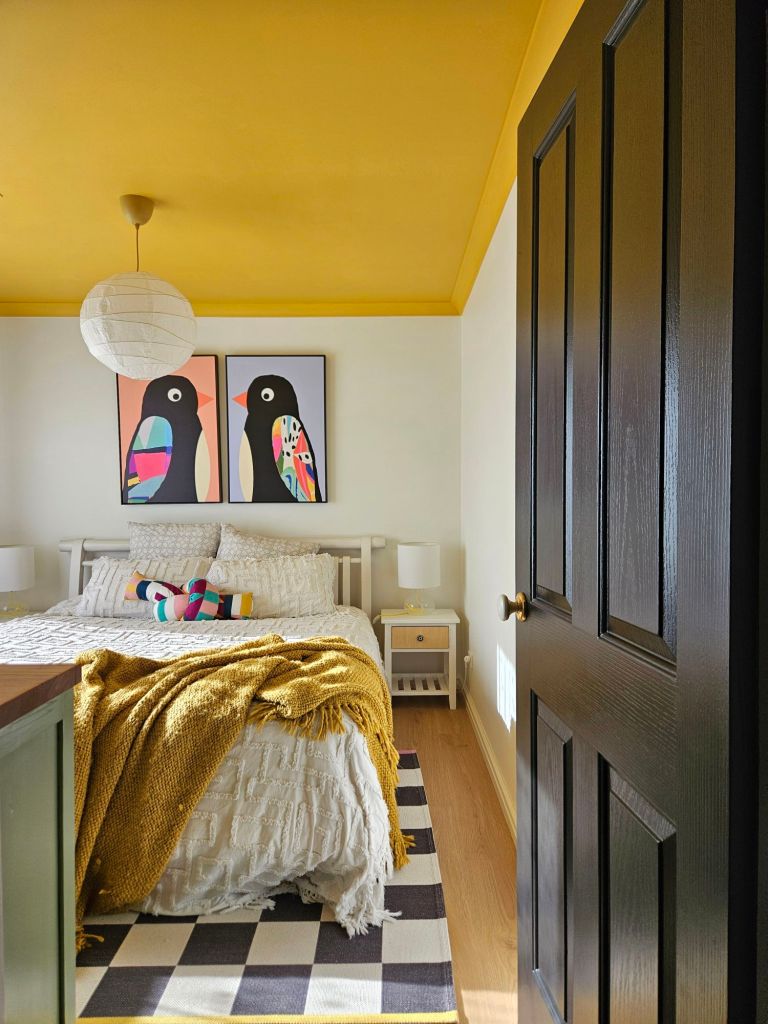
In 2025, ceilings are finally getting the love they’ve been craving!
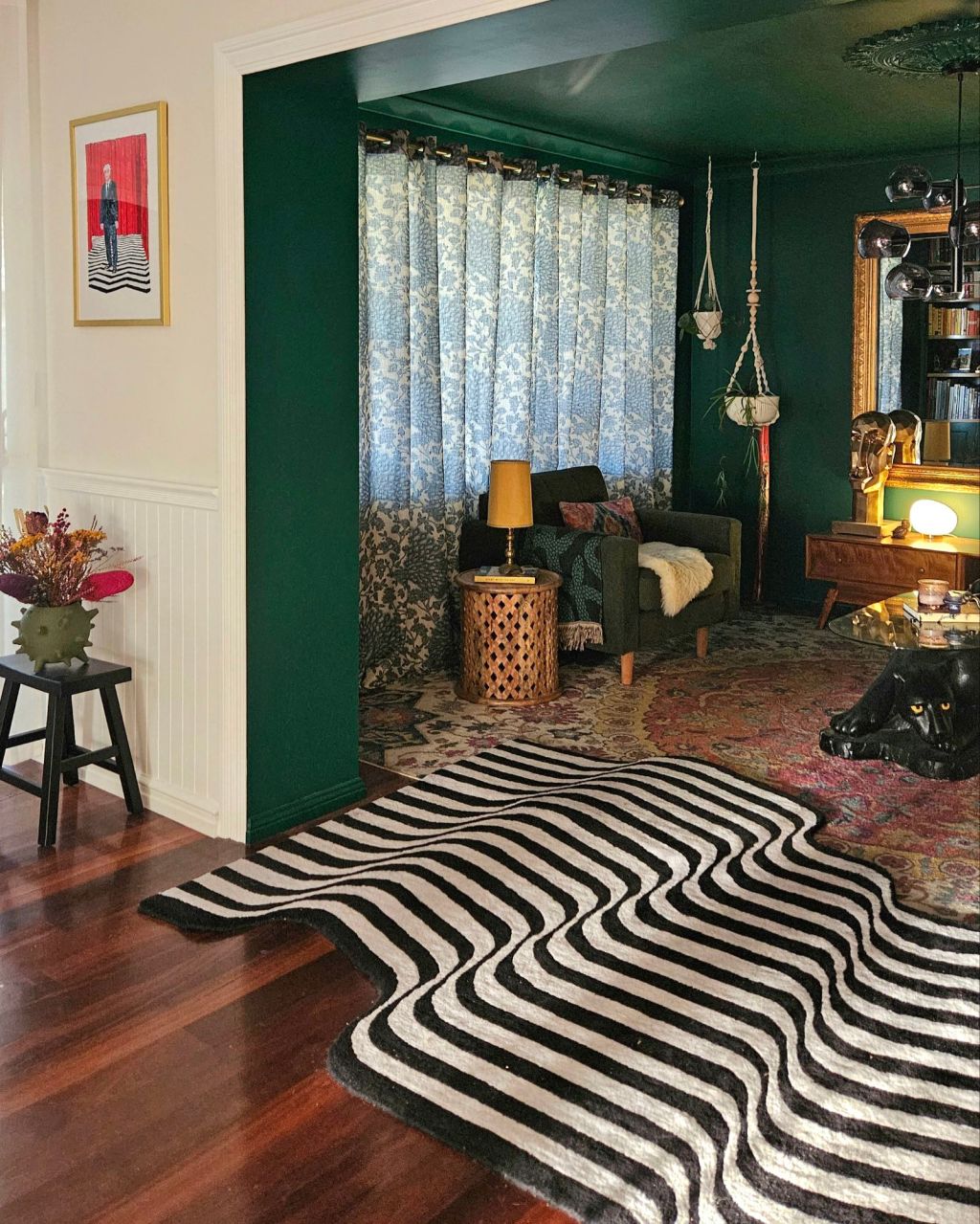
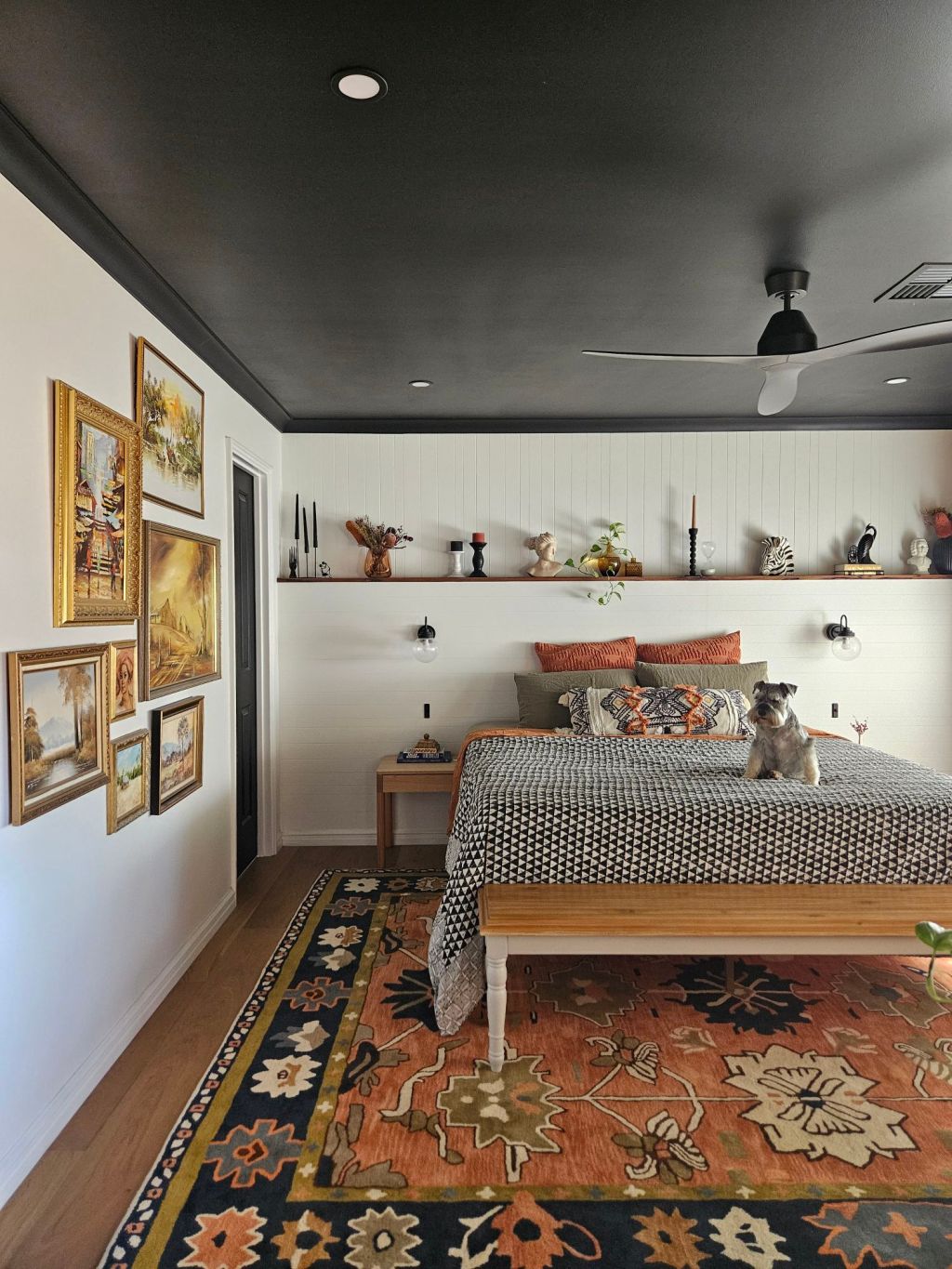
Bold coloured ceilings are no longer a WTF moment, so if you’ve got coloured walls, consider painting your ceiling the same colour for a sleek colour drenched look. Or, you could leave your walls white and paint a statement coloured ceiling to really blanket the room in colour.
🎬 WATCH: Painted Ceilings
But don’t forget everything else that lives on the ceiling. To elevate the fifth wall, replace boring light fixtures with something more sculptural, choose a more aesthetically pleasing ceiling fan and tidy up any discoloured air-con vents so nothing becomes an eyesore.
3. DO style old with new

Rooms can feel cold and uninviting when everything is shiny and new.
Vintage, rustic and antique decor adds character to your space. Adding pieces that have rich histories of their own will make your home feel more collected and lived in, so try incorporating at least one thing that’s older than you.
Too many vintage items will have you leaning more traditional, so be sure to mix it up. If you’ve invested in a brand new sofa and coffee table, try styling them with a secondhand mirror and antique brass sculptures to add that bit of vintage charm to the space.
3. DON’T rely on faux plants
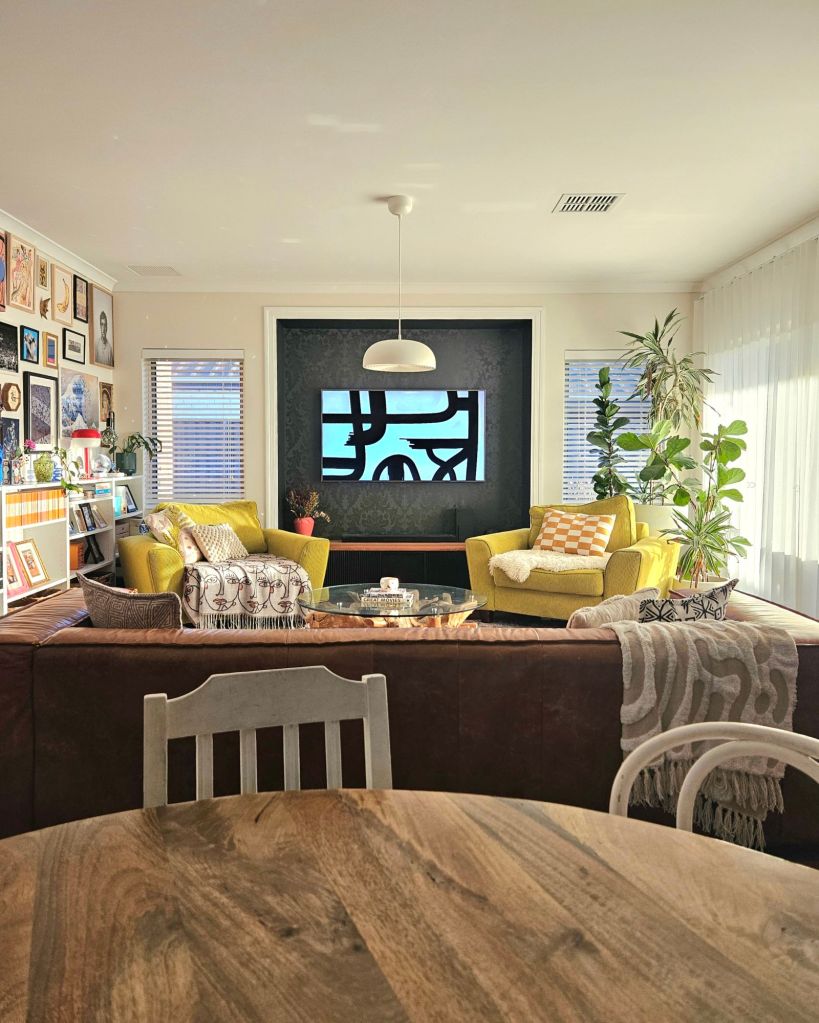
Some faux plants have hefty price tags and look pretty convincing, but don’t kid yourself — we can tell 😉
But look — I get it. You might have cats, You might not have a green thumb. Whatever the reason, a fake plant or two is probably fine.
But don’t attempt a biophilic or boho aesthetic with a jungle of faux greenery, especially when there are so many easy care and hypoallergenic plant options out there.
Relying on fake plants won’t add a cosy element of nature to your space. Instead, it just feels fake 😬
4. DO play with contrasting colours
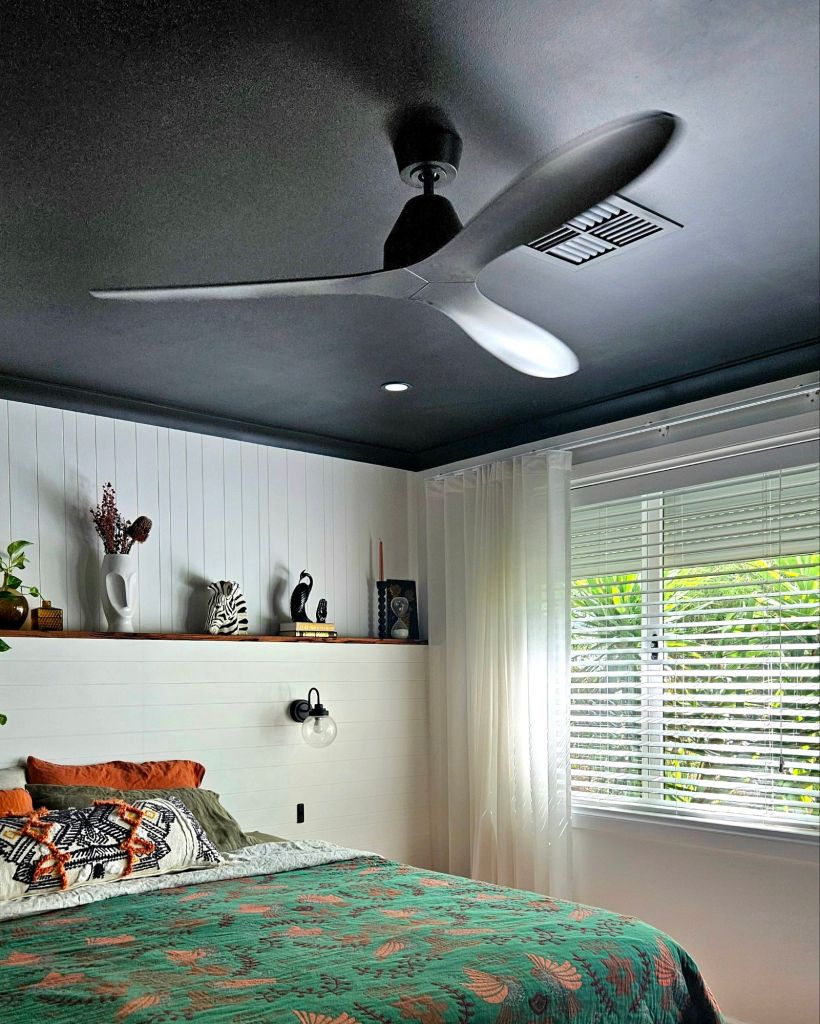
Colour contrast is all about decorating with colours that sit elsewhere on the colour wheel. Complementary colours are directly opposite each other on the colour wheel, and as the name suggests, they tend to complement each other because of their high contrast.
Black and white is the highest contrast there is and usually results in a visually striking yet neutral statement that works well with other colours.
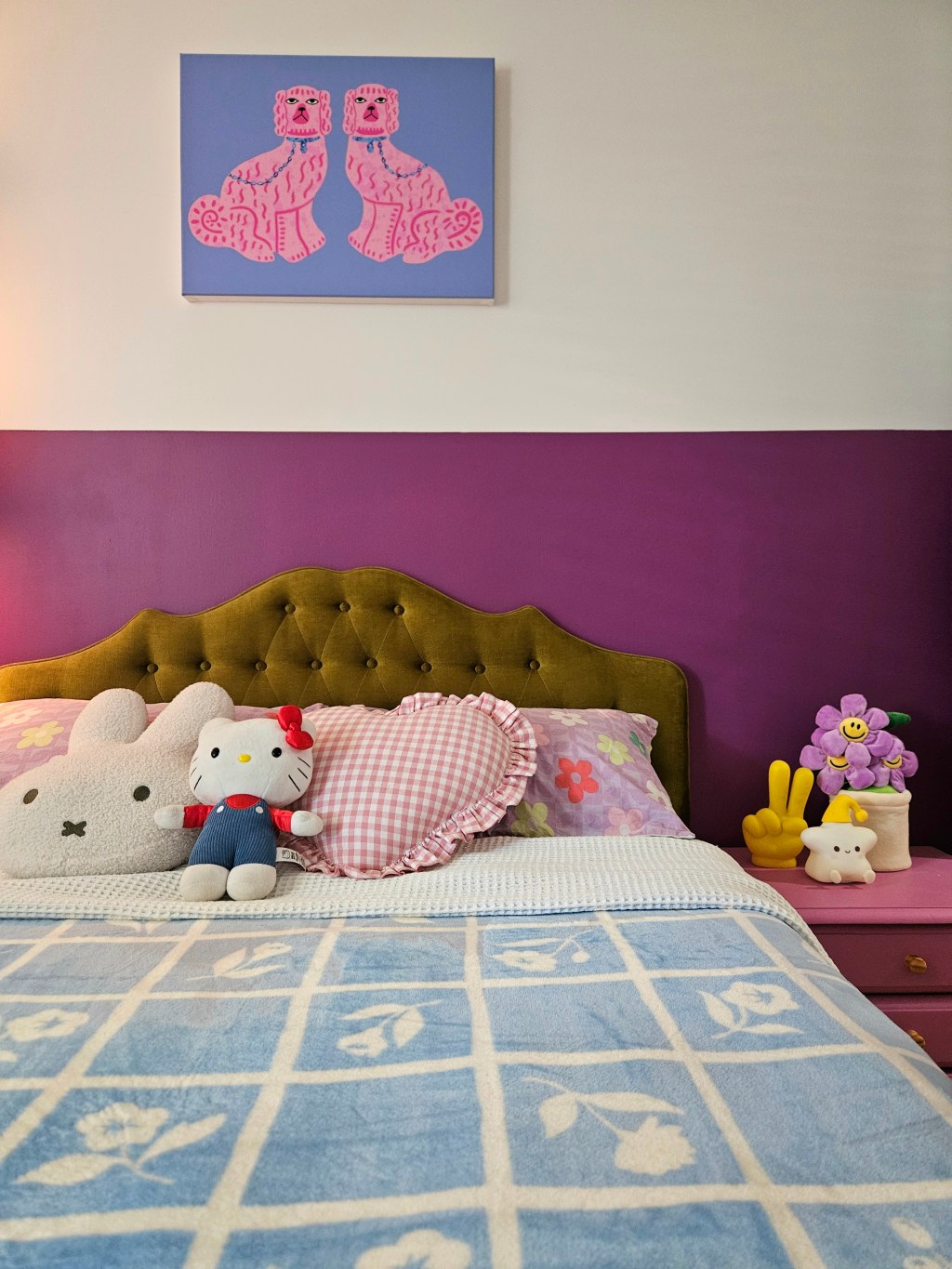
Other complementary colour pairings, like hot pink and forest green, terracotta and navy, or mustard and aubergine, work well too — so pick a colour you love then find what opposite attracts it and style your space with that perfect pair.
4. DON’T buy a rug that’s too small
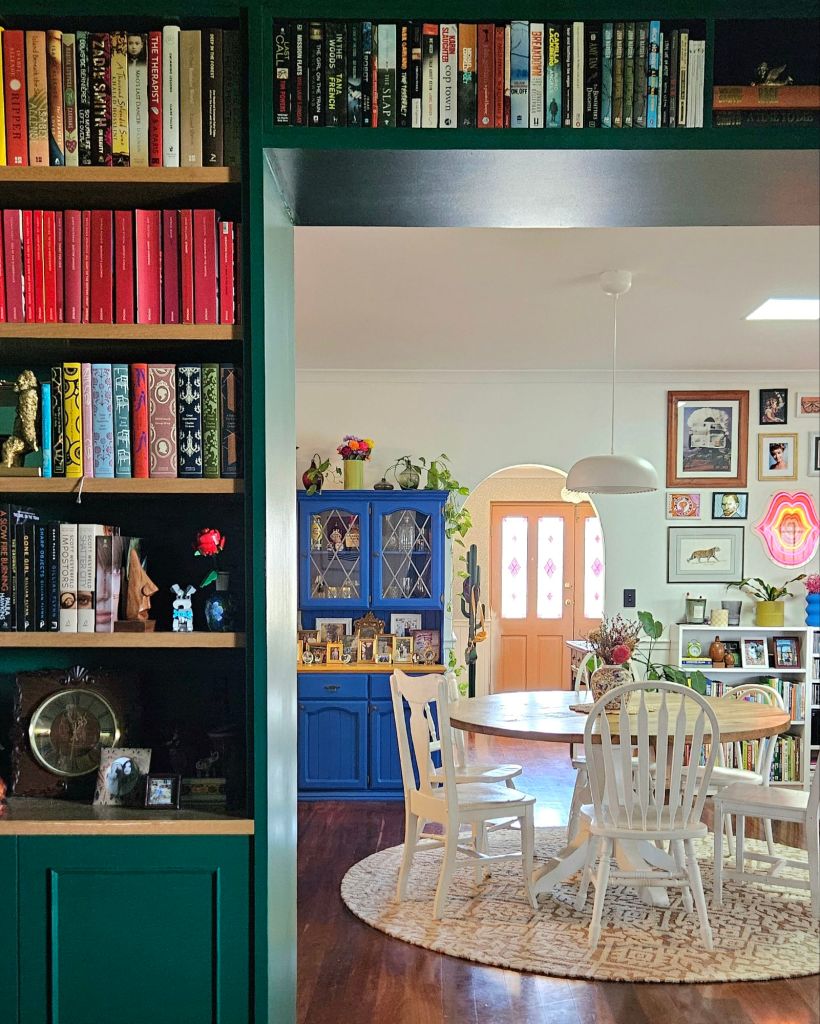
My biggest interior design ick is seeing a rug that doesn’t tuck under the furniture 😬
👀 READ: Why rugs make the room
In living rooms, your rug should be longer than your sofa. Add a few inches of rug on either end of your sofa and have either the entire sofa or at least the front feet sit on top of the rug. Tucking your rug under your living room furniture will help zone the space and make it feel more welcoming.
In dining rooms, your chairs should remain on the rug even when pulled out, so order a rug that’s large enough to accommodate them.
In bedrooms, your rug should be as wide as your bed and your two bedside tables. Place your rug underneath so that your feet hit the rug when you get out of bed.
A good rule of thumb: bigger is usually better when it comes to rugs 🫡
5. DO vary the size and scale of shelf decor
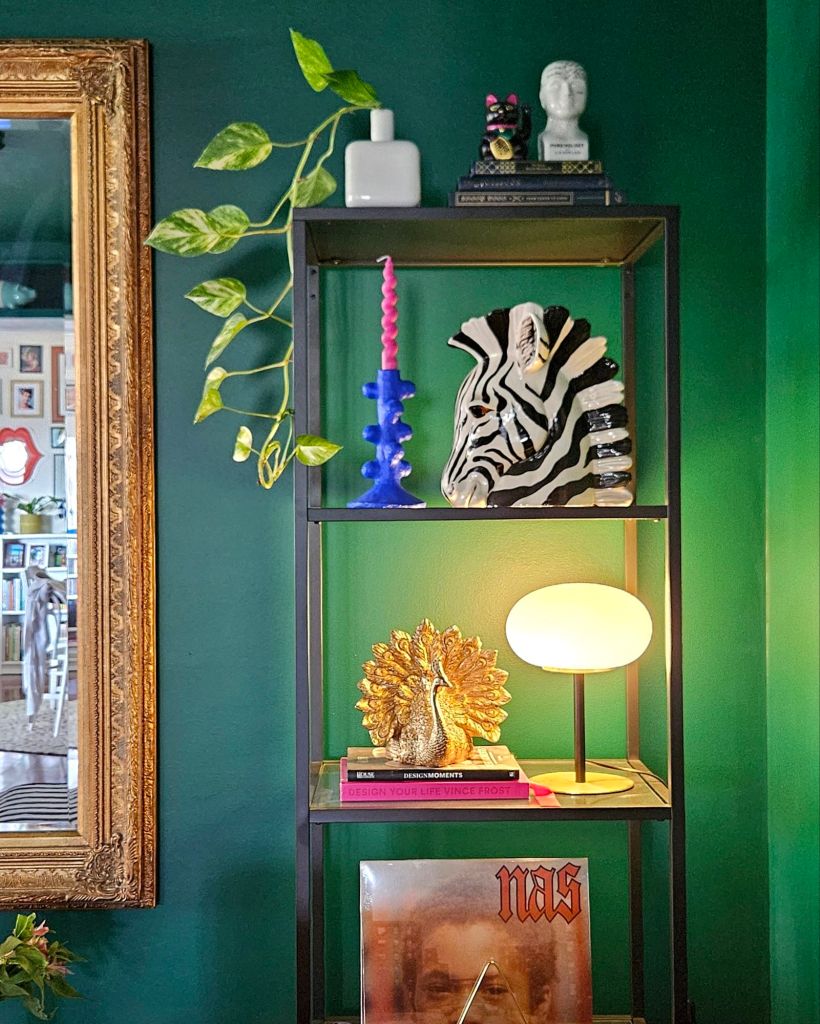
Two important design principles to consider are scale and balance.
Scale refers to the size and proportion of items, while balance refers to how those items are arranged.
When everything is a similar size, it just looks off. If you’ve decorated a shelf with books and you’ve got some space leftover, instead of filling that space with an item of a similar height, adding something shorter but wider — like a beautiful scuplture or bowl — will create asymmetrical balance and movement.
Decorating with items that are too small will only mean you need to add more stuff, so incorporate a larger item, a medium sized item and then something smaller to create a beautiful, balanced visual triangle.
5. DON’T hang anything wider than what’s below it
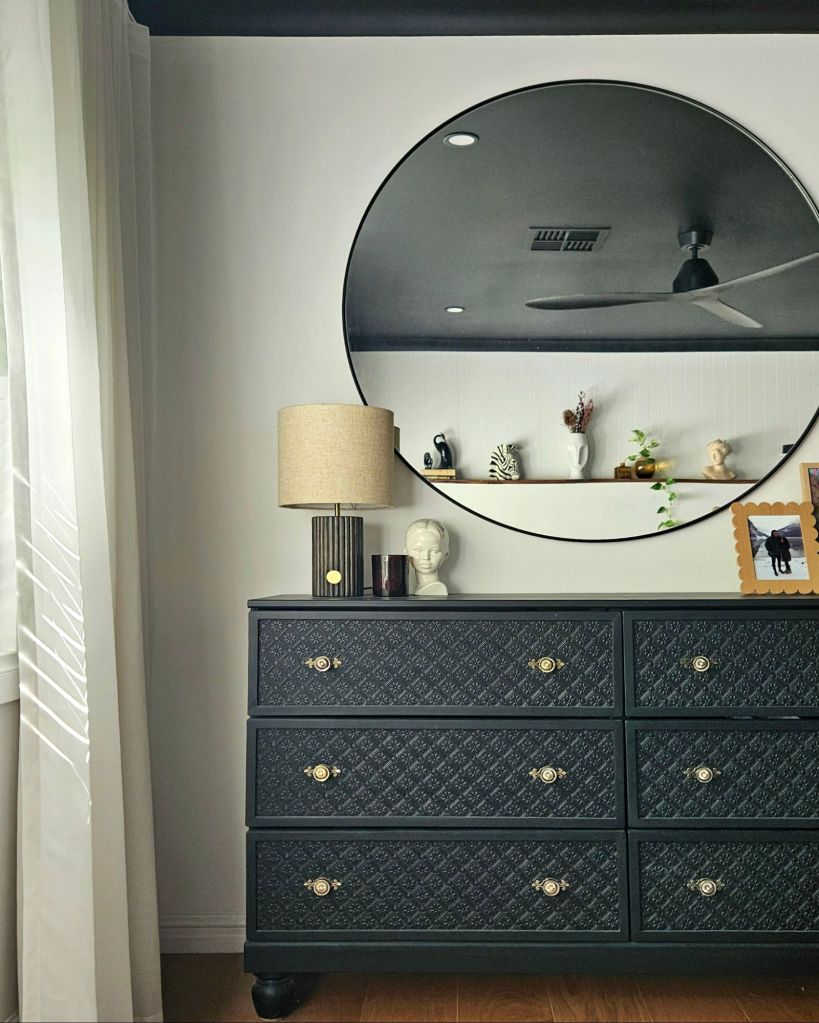
This one comes back to scale and balance again.
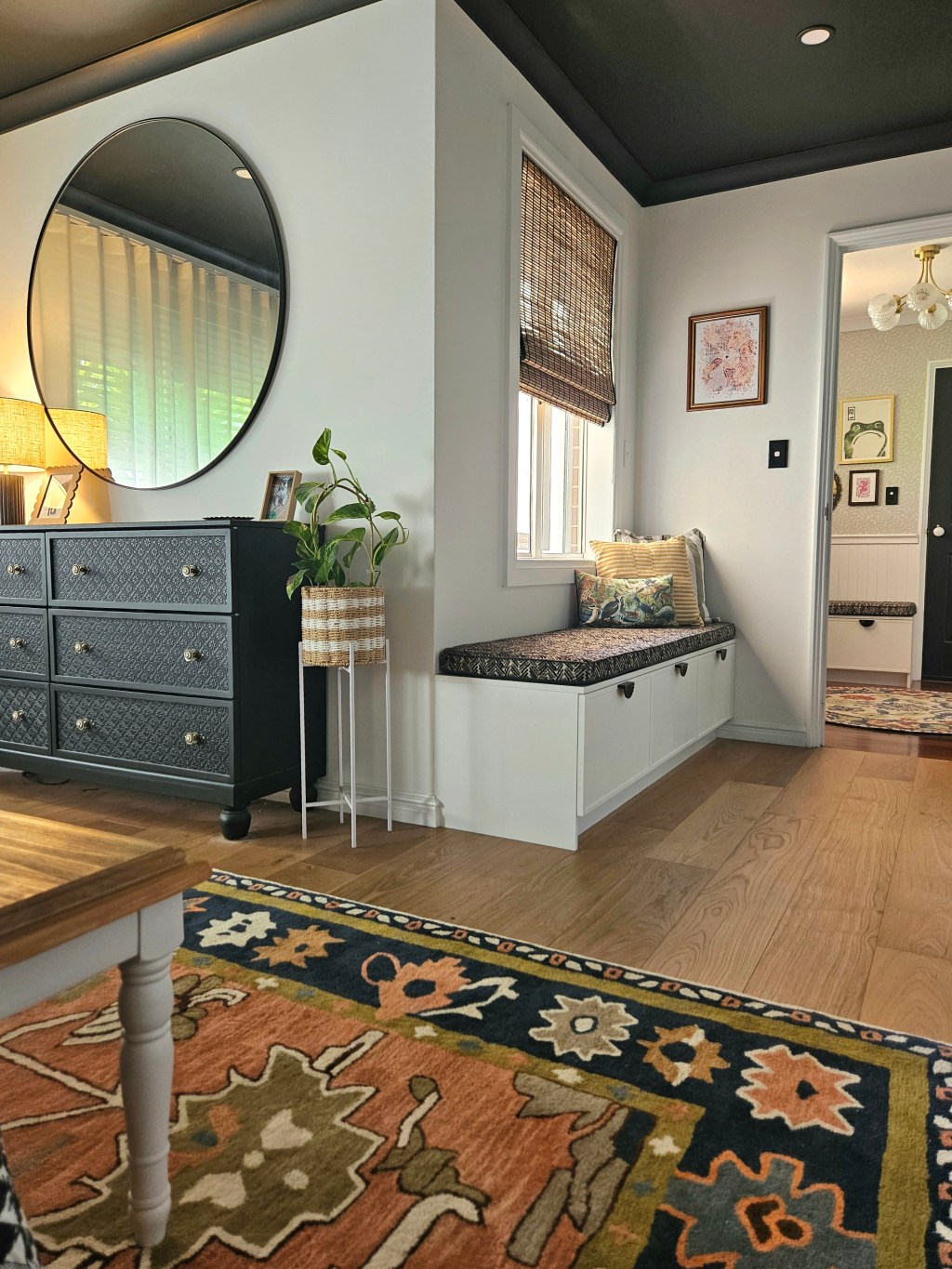
If you’ve got a dresser and want to hang a mirror above it, ideally the mirror should be a little smaller than the width of your dresser, or at most, the same size as your dresser.
Hanging something wider than what’s below it will just look wrong. That’s because whatever’s below acts as an anchor, so hanging something larger will blow the scale out and make it feel too heavy.

6. DO buy the weird stuff
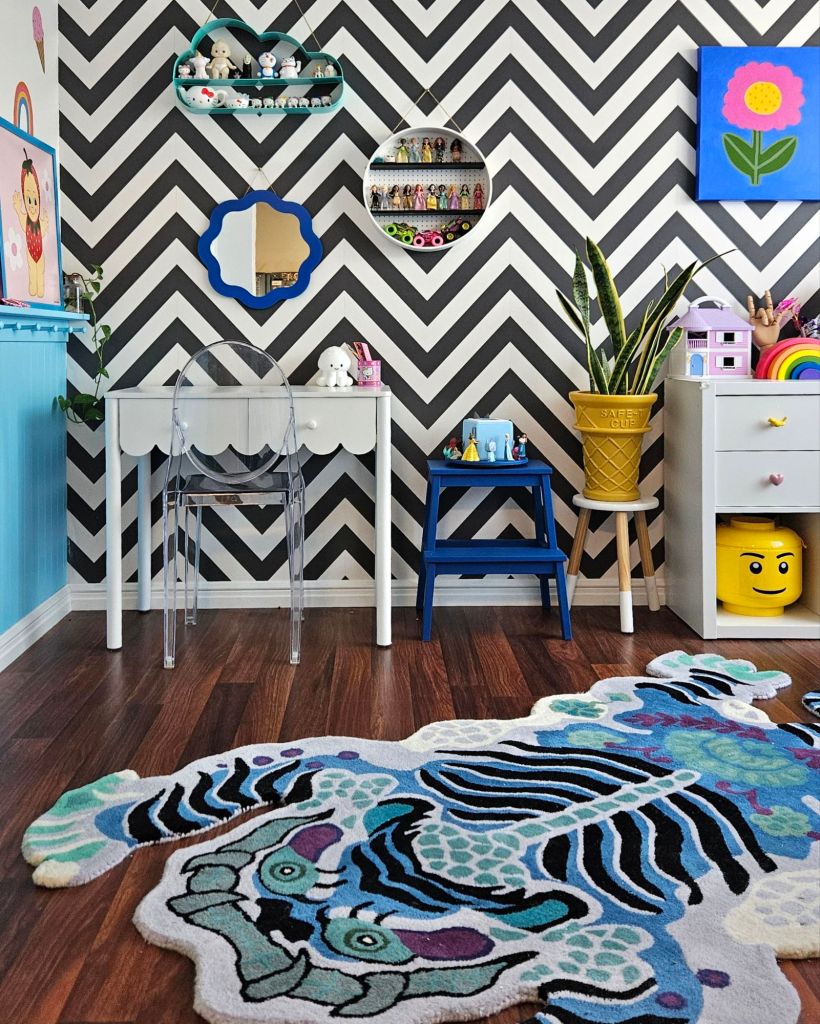
In my opinion, every space needs something a little weird. A conversation starter, if you will.
Just one WTF moment will make your space all the more interesting.
🎬 WATCH: Buy the weird stuff
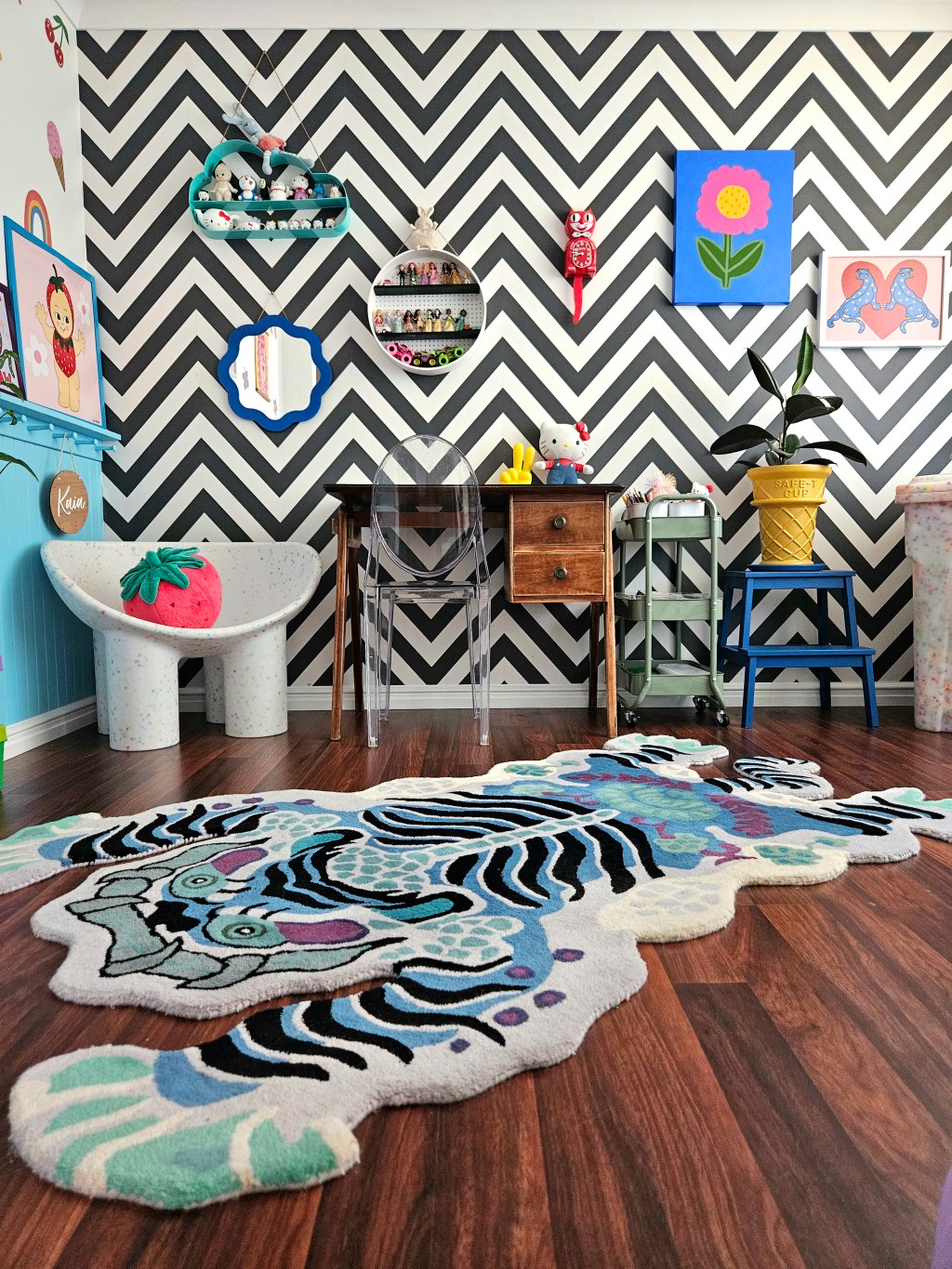
Having a piece that creates a talking point and makes people go “what is that?” — like a tiger shaped rug or a giant ice-cream cone planter — will give your home that eclectic edge.
But don’t be weird for weird’s sake; you’ve still gotta love it. Maybe your friends won’t, but that’s ok – it’s your weird and wonderful home, after all.
6. DON’T be scared of putting holes in your walls
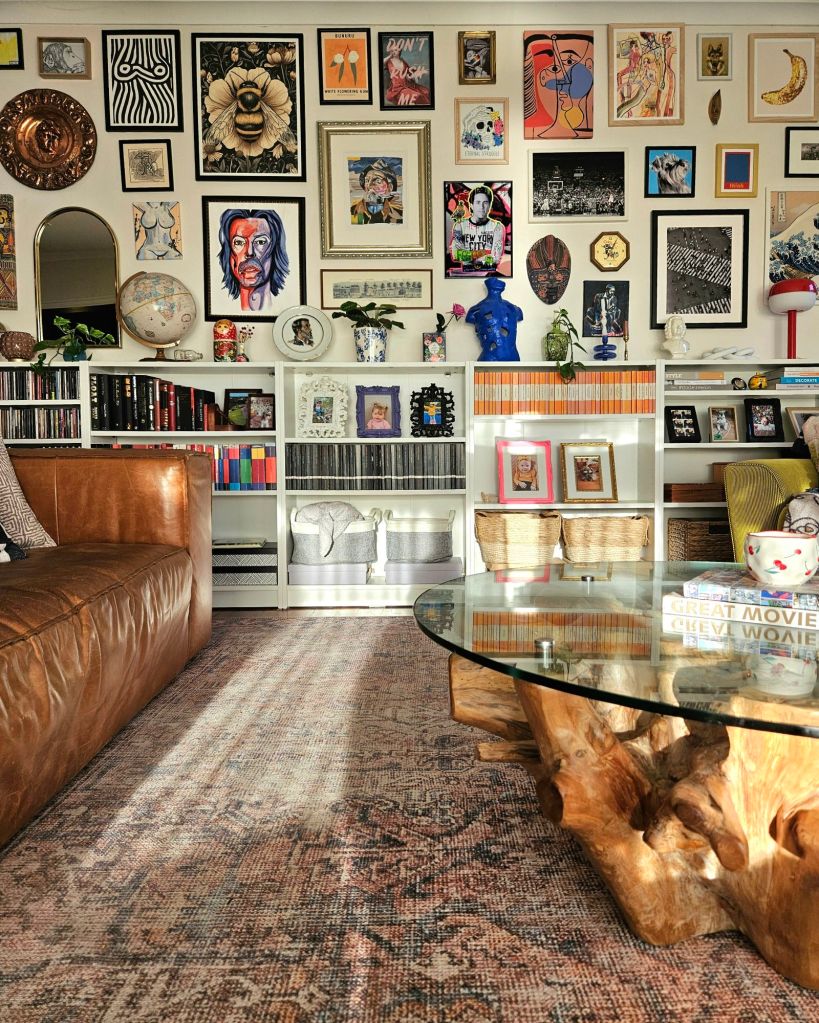
Let me reiterate — your house is yours, and it’s meant to be lived in. Otherwise, it’s as if you’re renting the house off whoever you sell it to one day.
So don’t be scared to hang art and mirrors. Adorning your walls is always a good idea!
After all, holes can be refilled, and you deserve to have a home that reflects you and makes you happy.
The end.
👉 Follow @mismatchedhome on Insta for more from our home and make sure you subscribe for new articles straight to your inbox.



 mismatchedhome.blog
Leave a reply to 5 design tips for open-plan living spaces – mismatchedhome.blog Cancel reply