Your support keeps our blog going ♥ We may earn a small commission if you shop via our affiliate links. Learn more here.
Confession: I like big rugs and I cannot lie!
A big ol’ rug just makes the room and nobody can change my mind.
I will always and forever be Team Rug, even in spaces that some may find impractical. (Rugs under dining tables? Yes! Rugs in the kitchen? Yes!)
Rugs offer both practical and aesthetic benefits for your space.
Here are 6 of them:
Rugs add texture

Pictured: Anyel Washable Rug from Miss Amara
Rugs are a failsafe way of adding texture to your space.
Texture is a key interior design principle because of its effect on how a room feels.
Rugs add tactile texture, which refers to the physical texture; how it feels between your fingers.
But even if you’re not physically touching the rug, you know a sheepskin or shag rug feels soft and warm.
As humans, we’re naturally attracted to soft textures. Both the sight and the feeling of a soft rug on your feet as you get in and out of bed is sure to put you in the right frame of mind for sleep.
By adding a soft, textural element with rugs, you can easily transform the feeling of a room and make it more cosy and inviting.
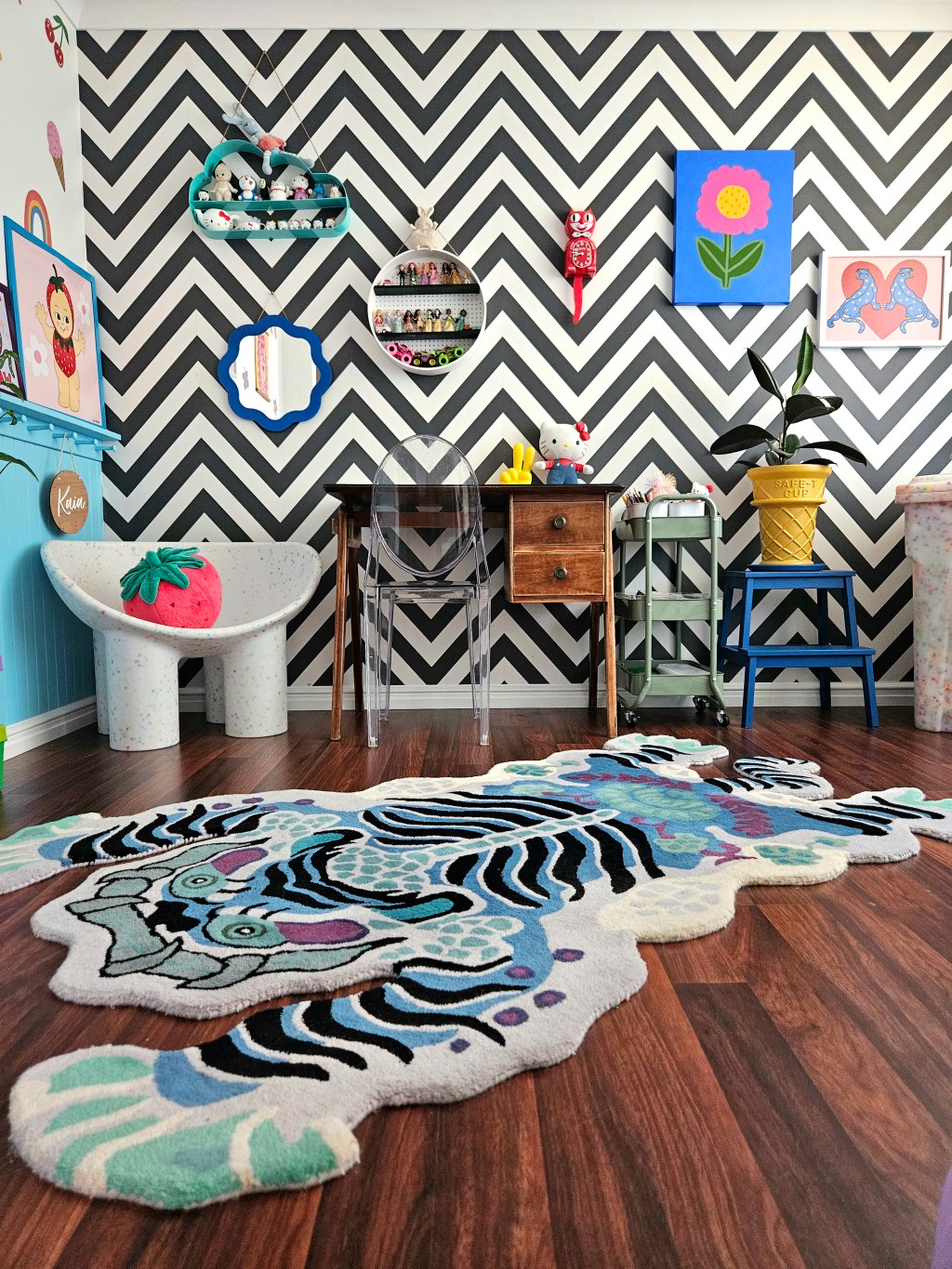
Rugs are art for your floor
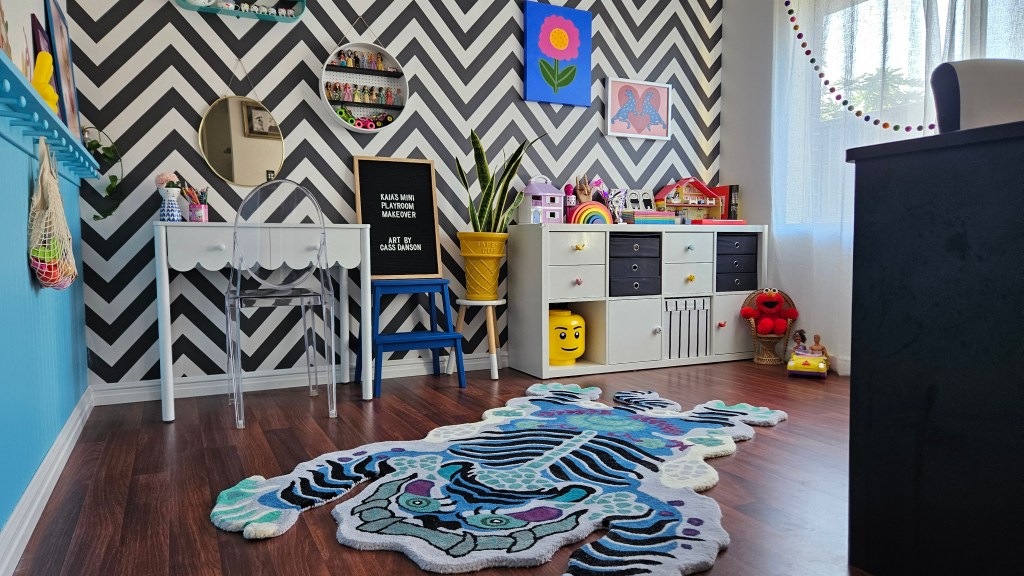
Pictured: Chinoserie Tiger Rug from Maia Homes (10% off with code MISMATCHEDHOME)
With the exception of a patternless option, rugs are often the largest artwork in the room; they’re just on your floor instead of your wall.
Whether you’re into geometric, abstract, traditional or post-modern, there is a rug to suit your artistic taste.
Just like wall art, rugs add colour to your home and can dramatically change the vibe of a space.
If you have neutral furniture and fixtures but you want to add more colour to your space, artwork — including rugs — is smart place to start.
From there, you can pull colours from your rug to help you choose wall art, cushions and decor.
Rugs zone your space
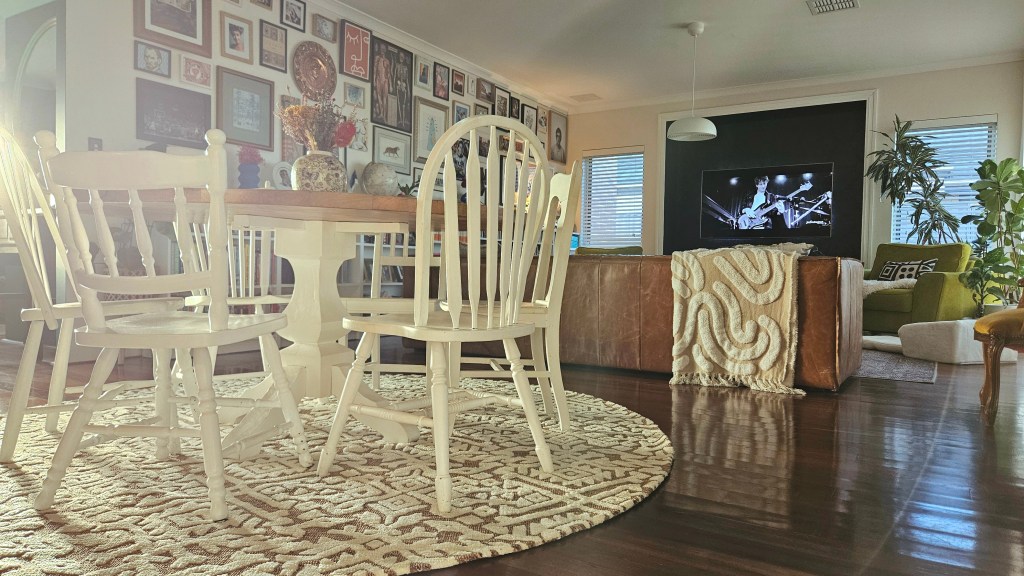
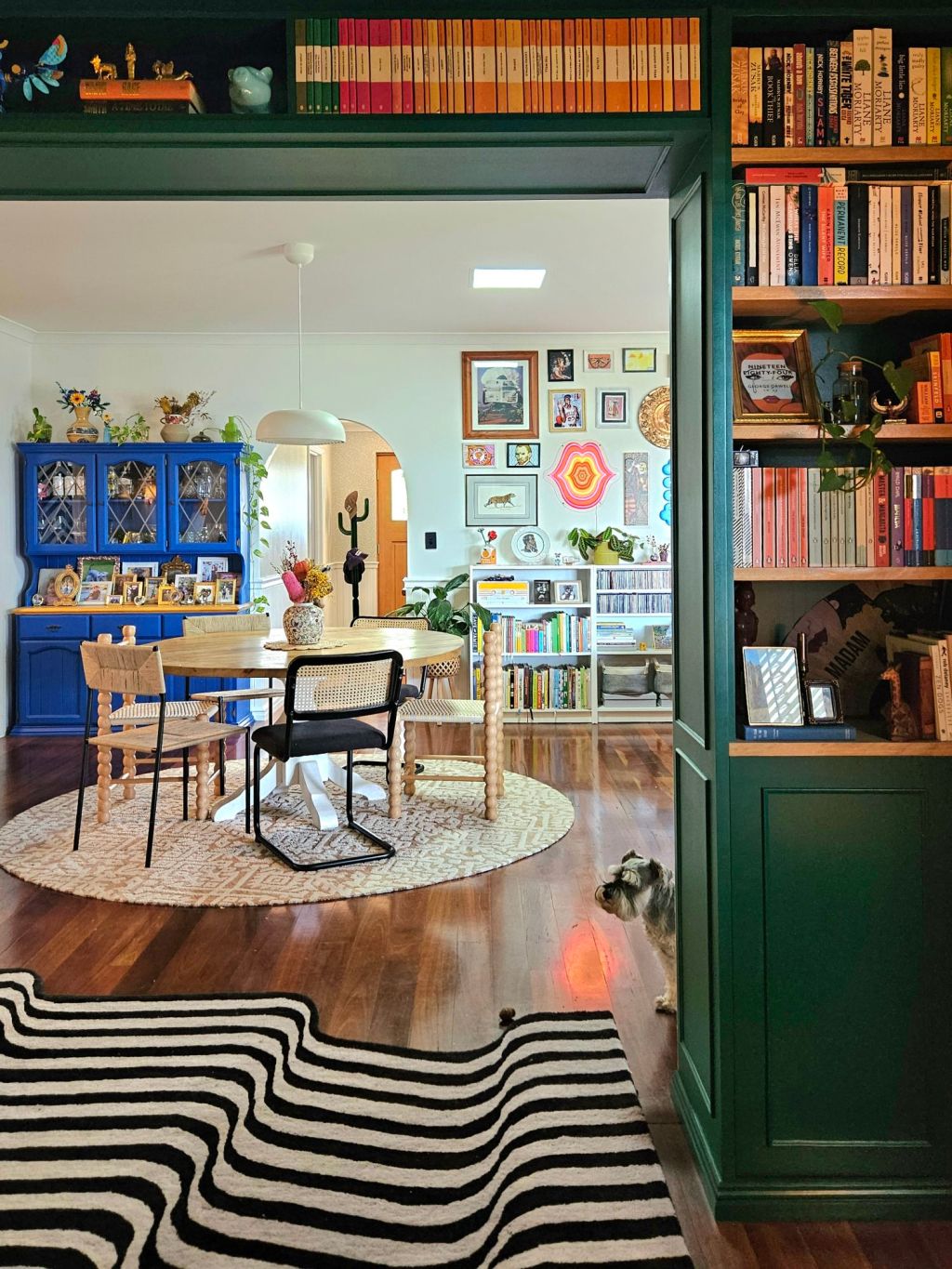
Pictured: Paloma Round Rug by Miss Amara
Rugs are an excellent tool to delineate your space and ground your furniture.
Especially in an open plan space, placing rugs under furniture can help you define an area. Rug placement helps the eye understand which zones are for lounging and which are for dining.
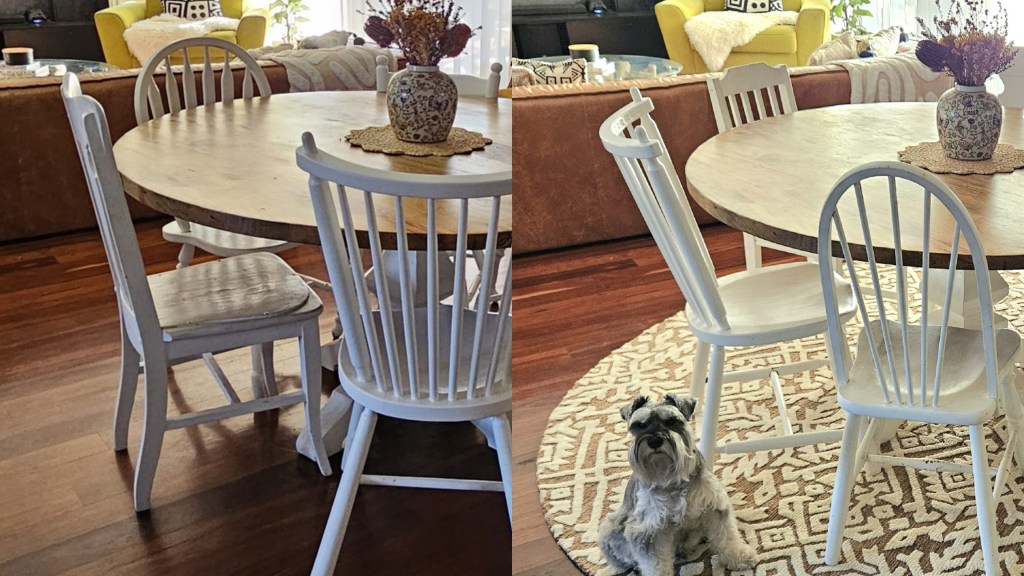
In our home for example, the dining table is smack bang between our kitchen island and living area.
As soon as we added a rug below our dining table, the area instantly felt like a zone of its own and the dining table didn’t just feel like it was floating in the area.
In spaces that have multiple pieces of furniture, a rug beneath it all anchors your furniture and pulls everything together.
🎬WATCH: Dining Table Rug
Rugs add the finishing touch
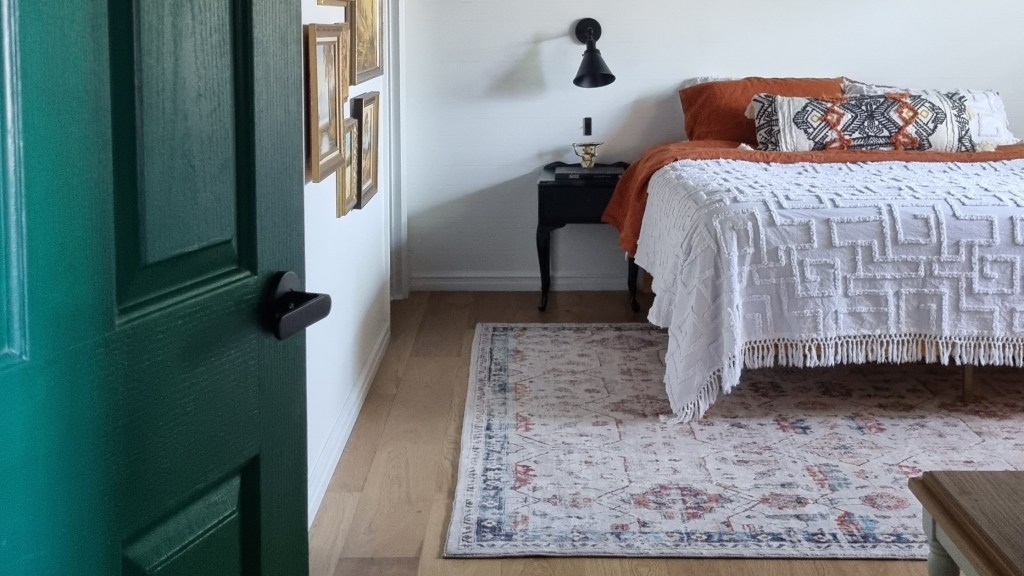
Pictured: Amanda Rug by Miss Amara
Rugs just help make a room feel more designed and complete.
When a space doesn’t feel quite finished, a missing or inappropriately sized rug is often the culprit.
Not only do rugs add the finishing touch, they’re also often the glue that holds it all together.
If your space has a primary colour, secondary colour and accent colour, you can use the rug to tie in those colours and round it all out.
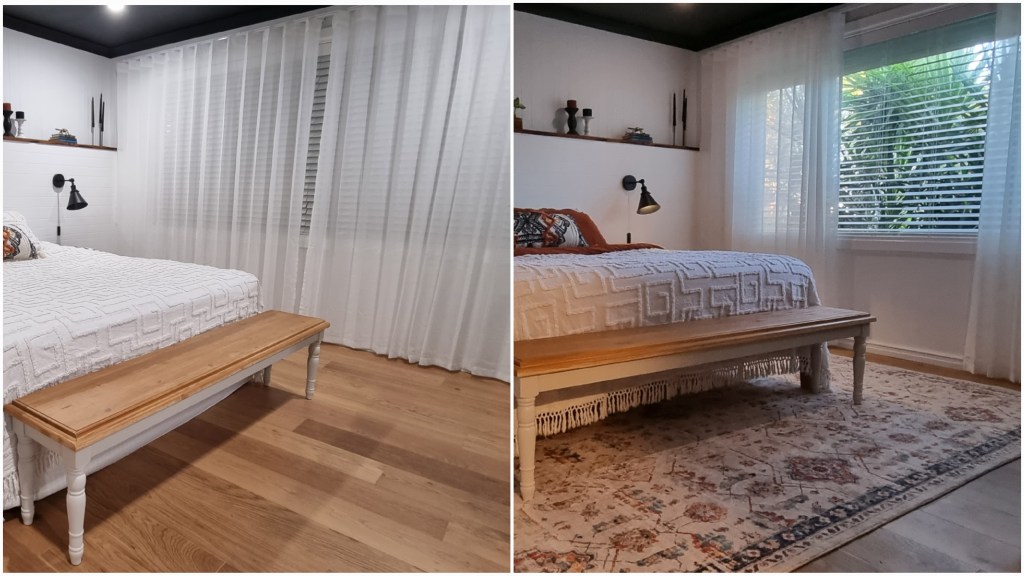
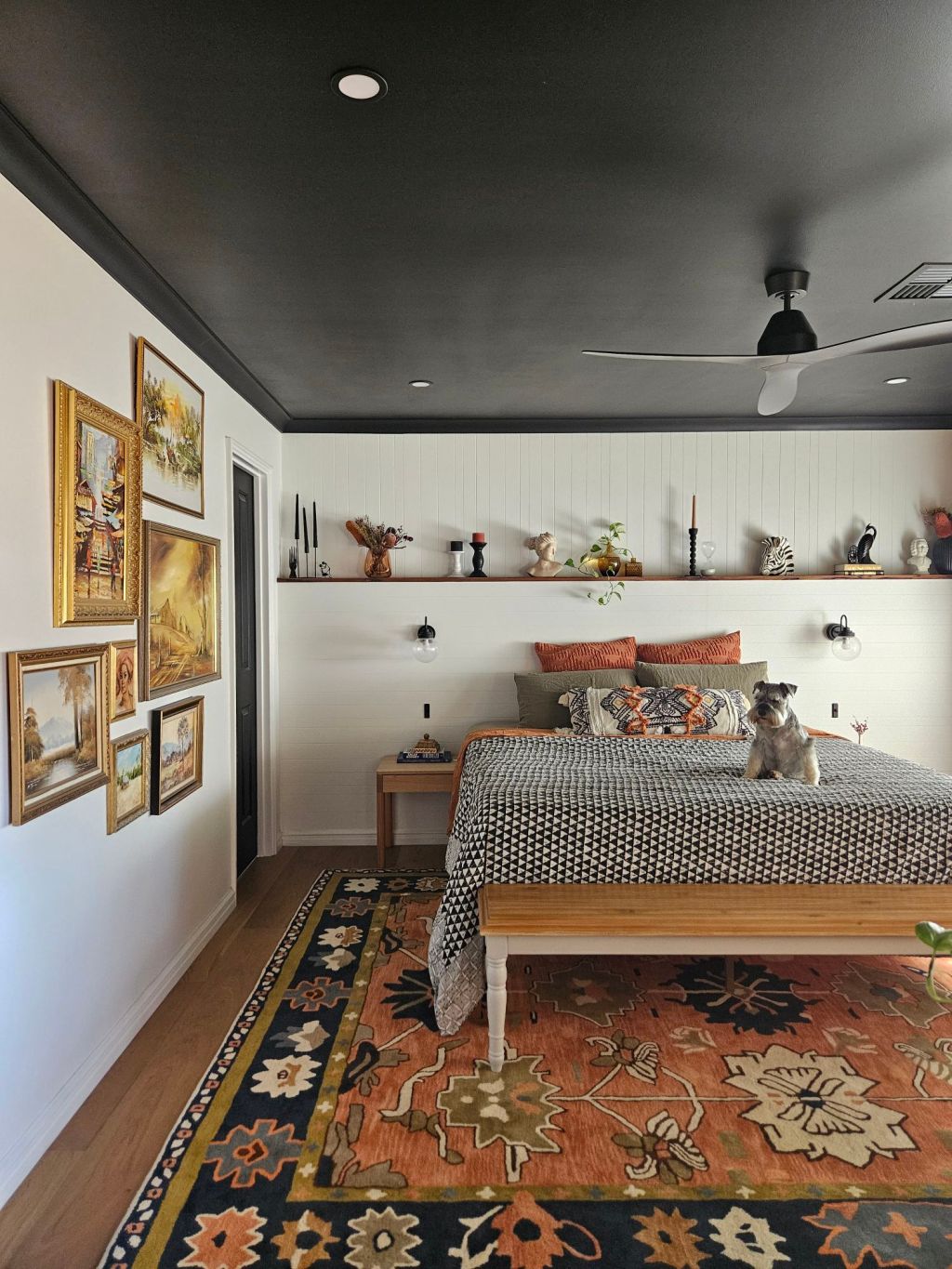
For example, the difference a rug has made in our master bedroom is huge.
In a mostly monochrome room, the rug repeats the terracotta in our sheets, helping highlight this accent colour and make it make sense.
Rugs provide warmth & sound absorption

Pictured: Beatrice Rug by Miss Amara
Notice how a room echoes when there’s nothing in it?
Just like furniture does, rugs add an extra layer of insulation, which helps silence the echo and absorb sound.
That extra layer is also helpful for warming up your space, especially in colder months and cooler climates.,
If you live in a flat with floorboards, a rug will not only make walking around barefoot a much warmer experience, it’ll also keep you in the good books with your downstairs neighbours!
Rugs protect (or hide) your floors
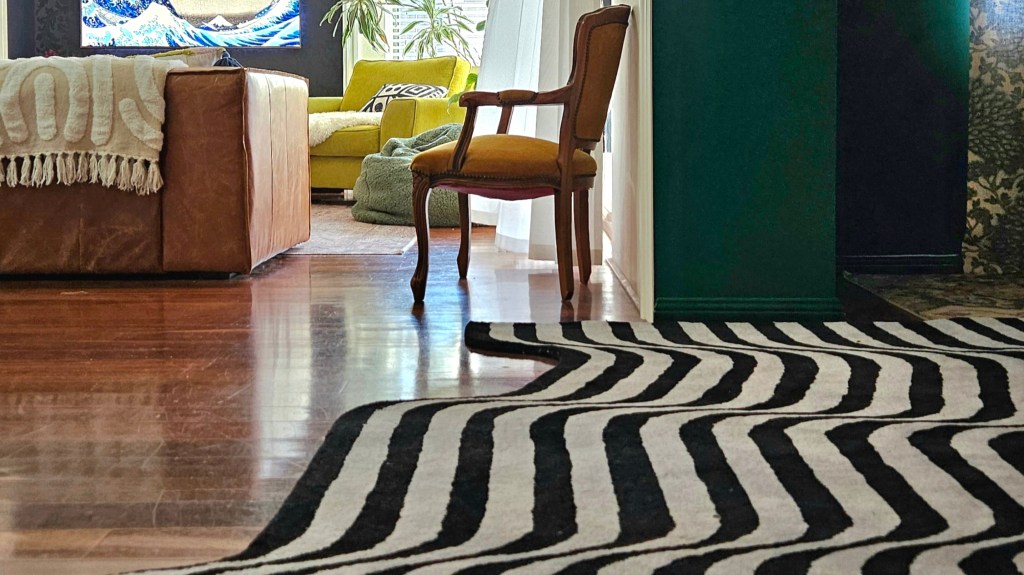
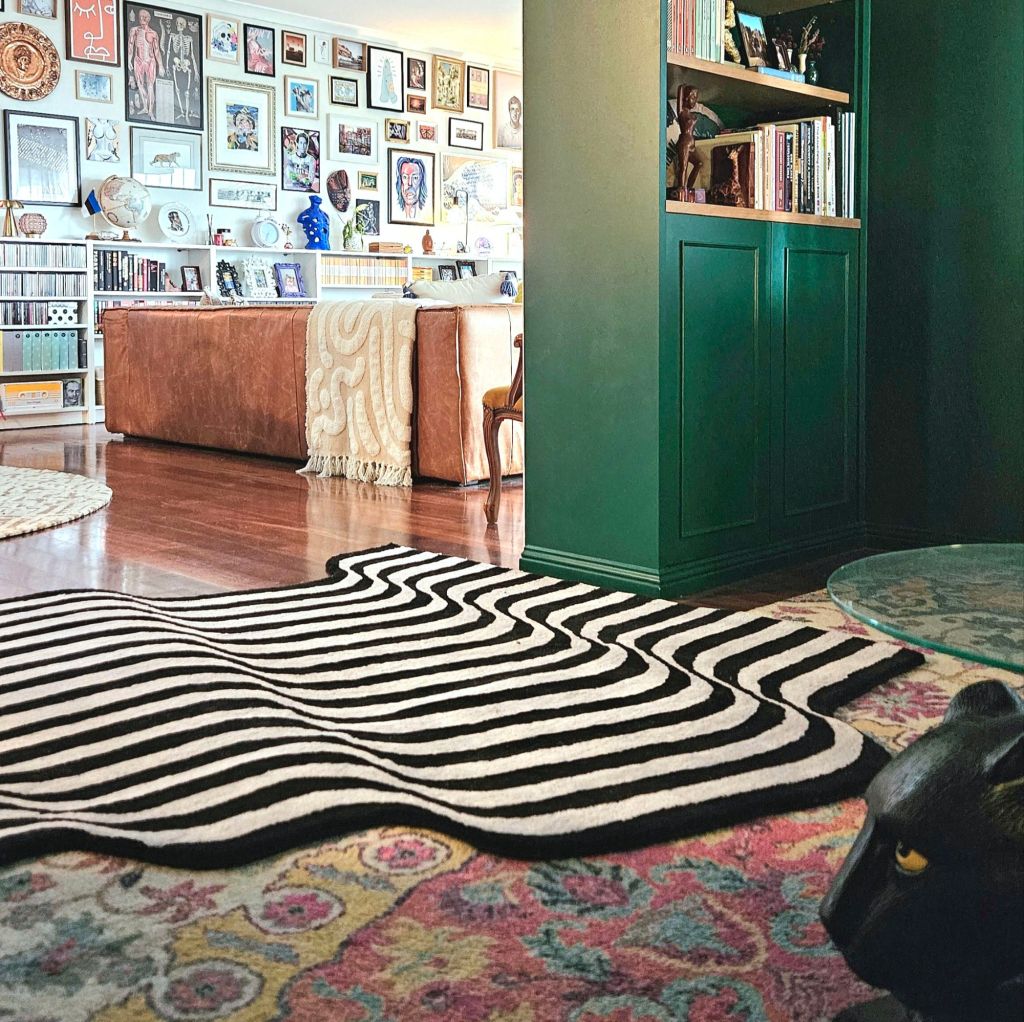
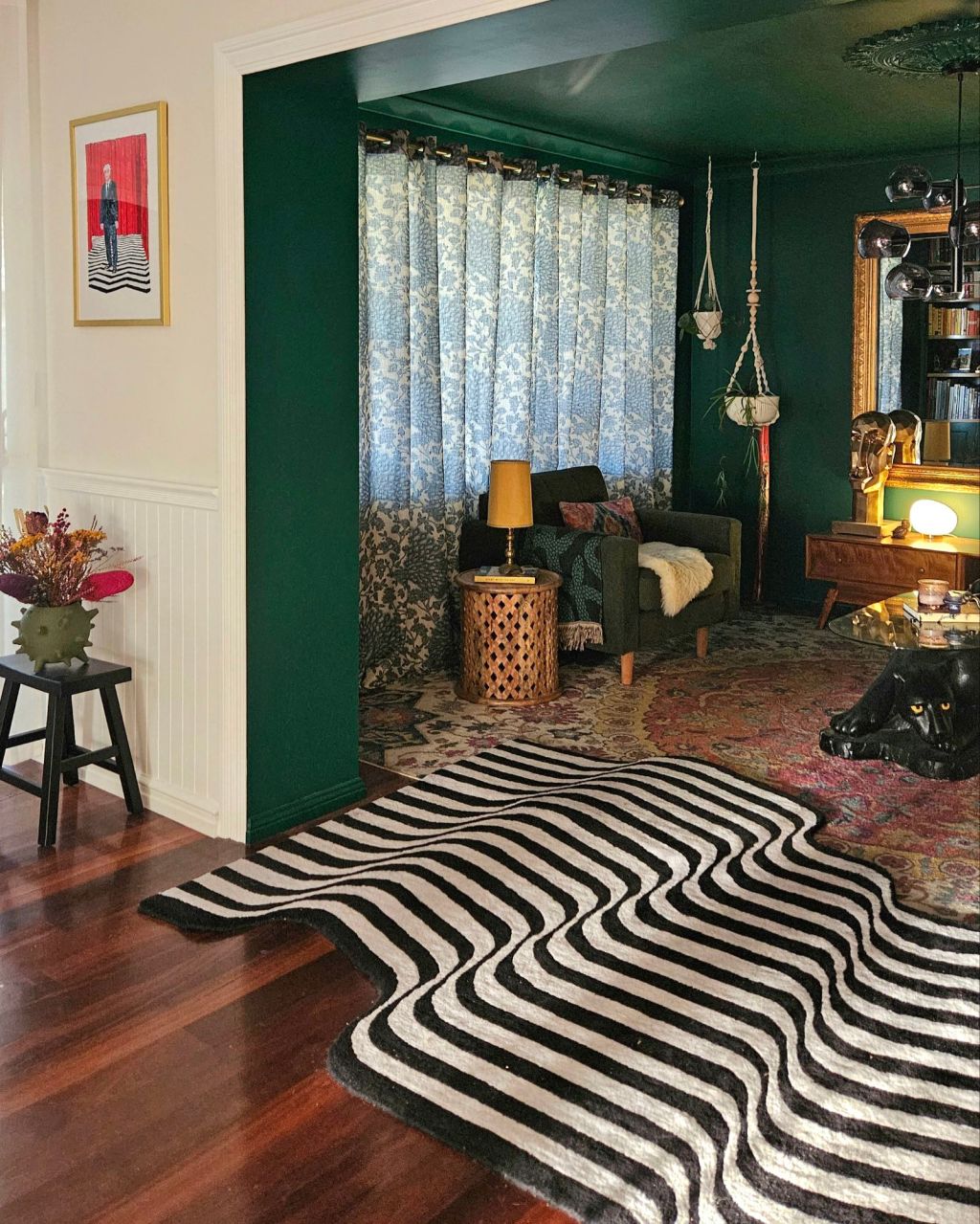
Pictured: Flowing Illusion Rug by Maia Homes (10% off with code MISMATCHEDHOME)
In heavy traffic areas, you may want to protect your hardwood floors from scratches with a hardwearing rug.
Or, if your floors are nothing special, rugs can cover them up and take your room from dull to designer.
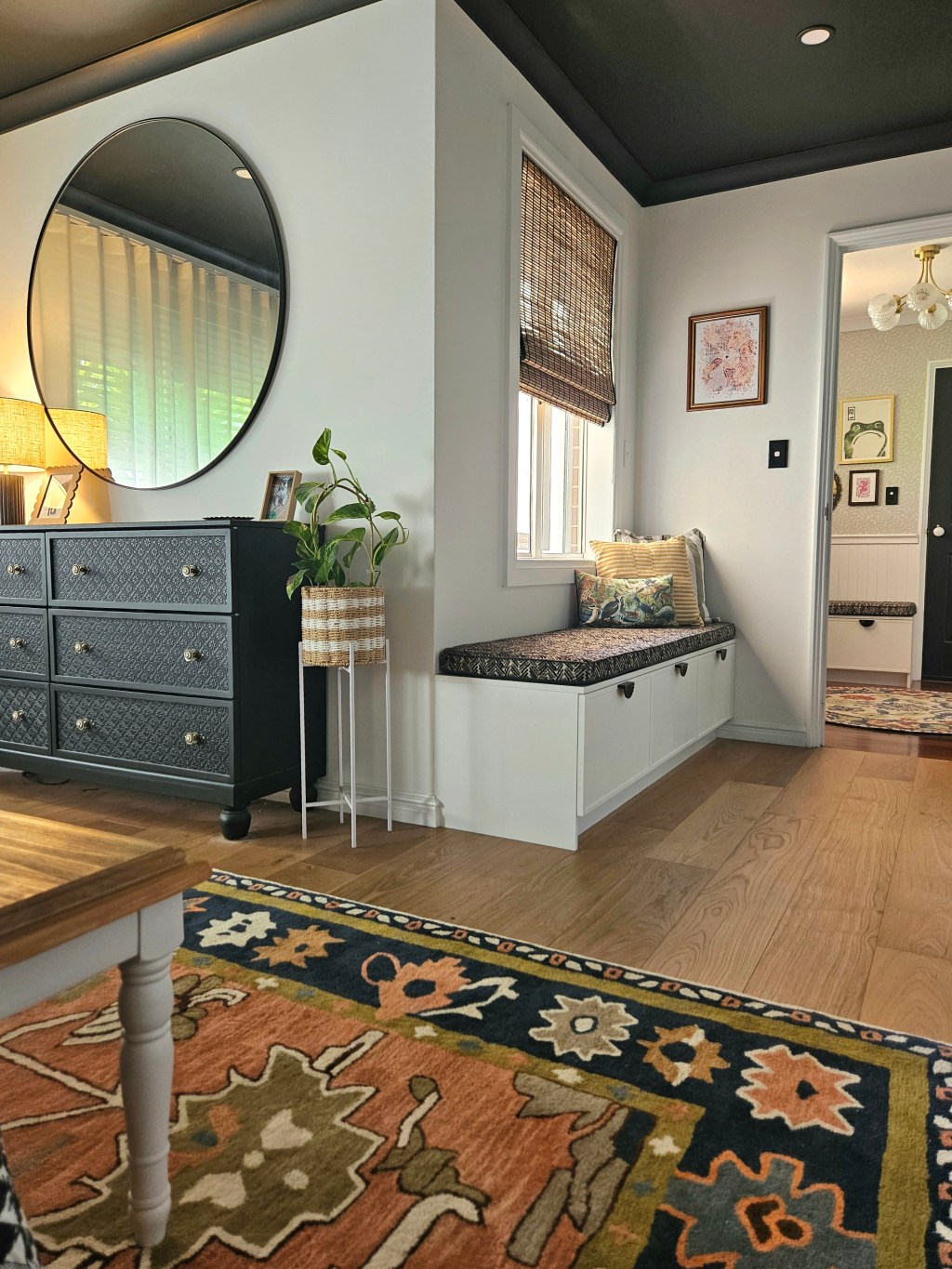
In our home, we have badly matched flooring where our library meets our living room. So we layered this irregular rug on top of another rug as a low-cost, low-effort fix to cover up the unpleasant intersection. And hey, it works!
🎬WATCH: Rug layering in our library
Tips for choosing the right rug
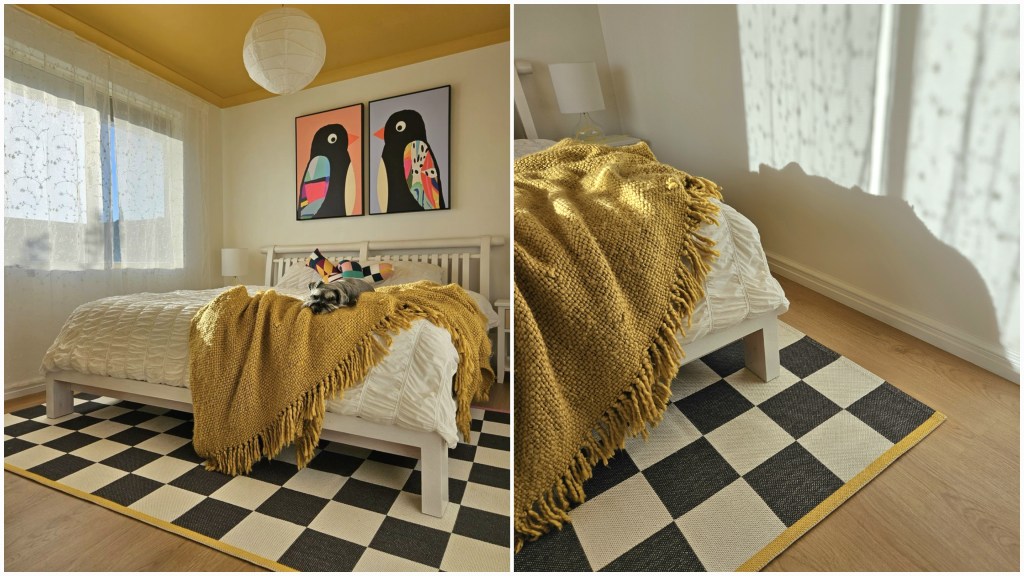
Pictured: Klassrum Rug by IKEA
Ready to embark on the wonderful world of rug shopping? Here are a few tips:
- Get the size right. There’s nothing worse than a dining or living room rug that’s too small for the space. Bigger is definitely better when it comes to rugs. Here’s a handy rug size guide from Apartment Therapy.
- Take note of pile height. You may not want a high-pile rug in a space you’re always walking on, and you may not want a low-pile rug in your bedroom. Decide what feel you’re going for and choose wisely.
- Check if you need an underlay. If you have slippery floors, some rugs may require an underlay so they don’t become a trip hazard.
- Consider maintenance. Jute rugs are very low maintenance, while wool rugs may need a lot more vacuuming. There are plenty of machine-washable rugs out there, but check if they will fit in your washing machine and whether or not you really need them to be washable,
- Consider the colours. It’s best to repeat colours already used in your decor. Otherwise, be willing to redecorate when you get a new rug so that the colours make sense.
Make sure you check out our Coupon Codes page for our latest discounts on rugs.
👉 Follow @mismatchedhome on Insta for more from our home.



 mismatchedhome.blog
Leave a reply to 5 design tips for open-plan living spaces – mismatchedhome.blog Cancel reply