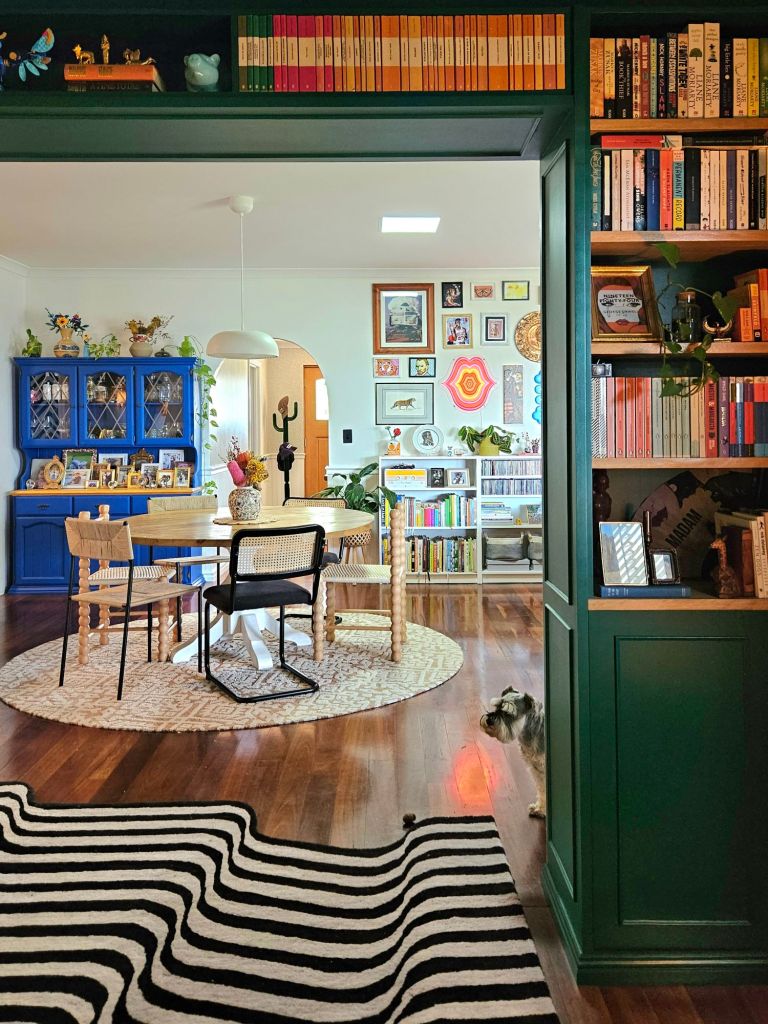
Wanna learn a few tricks of the trade?
Here are 16 super random but super helpful decorating tips to help you create a space that makes sense and looks sensational 👇
1. Use vertical space
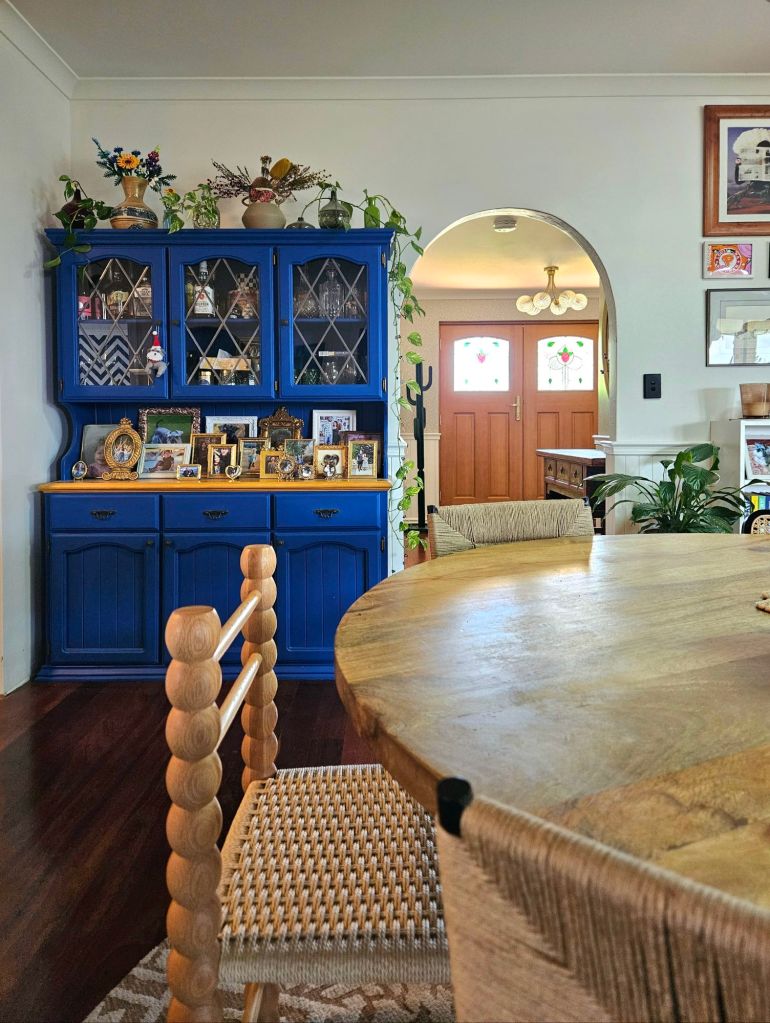
Tall things make your ceilings feel higher 👆
By drawing the eye upward, you’re creating the illusion of higher ceilings and a more generous room.
Tall bookcases, full-height wardrobes, and cabinets that go up to the ceiling all emphasise height rather than floor area. And in the case of furniture, it also gives you a lot more storage space, so it’s a win-win.
2. Repeat colours
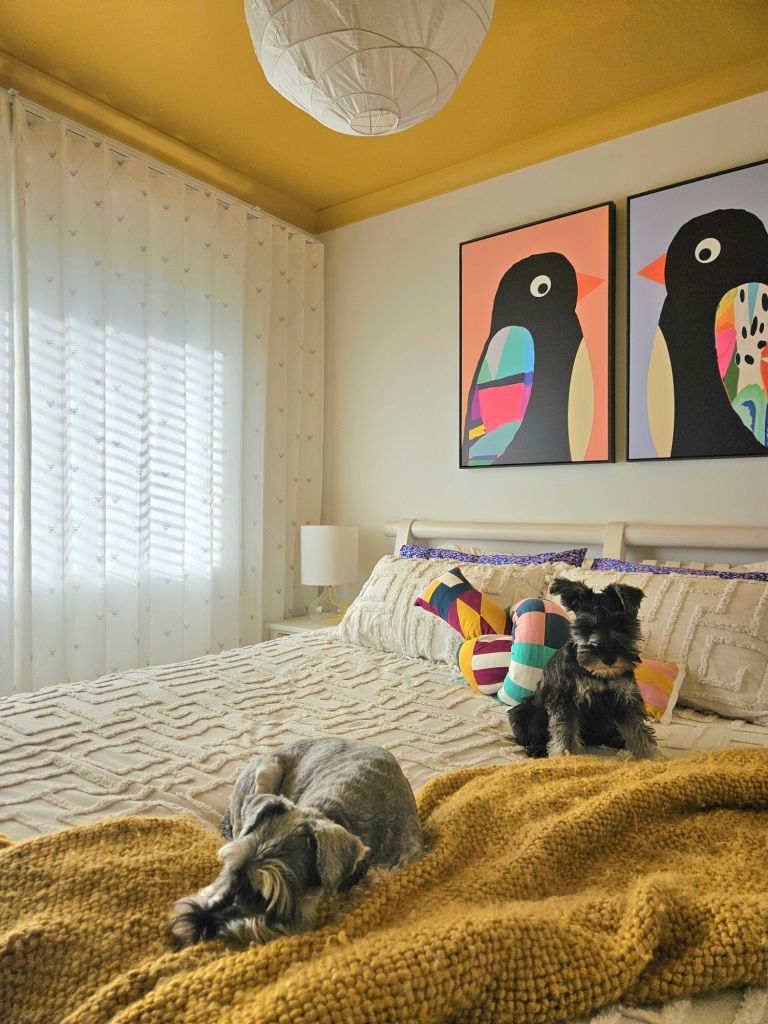
When you add a new colour to a room, in most cases it helps to repeat it, even in small doses.
Repeating a colour at least three times feels deliberate and helps visually ‘link’ the space.
In our guest room, we’ve repeated the mustard yellow in our ceiling via the throw blanket, cushion, and subtle yellow hints in the curtains and lamp cords 💛
3. Mix materials
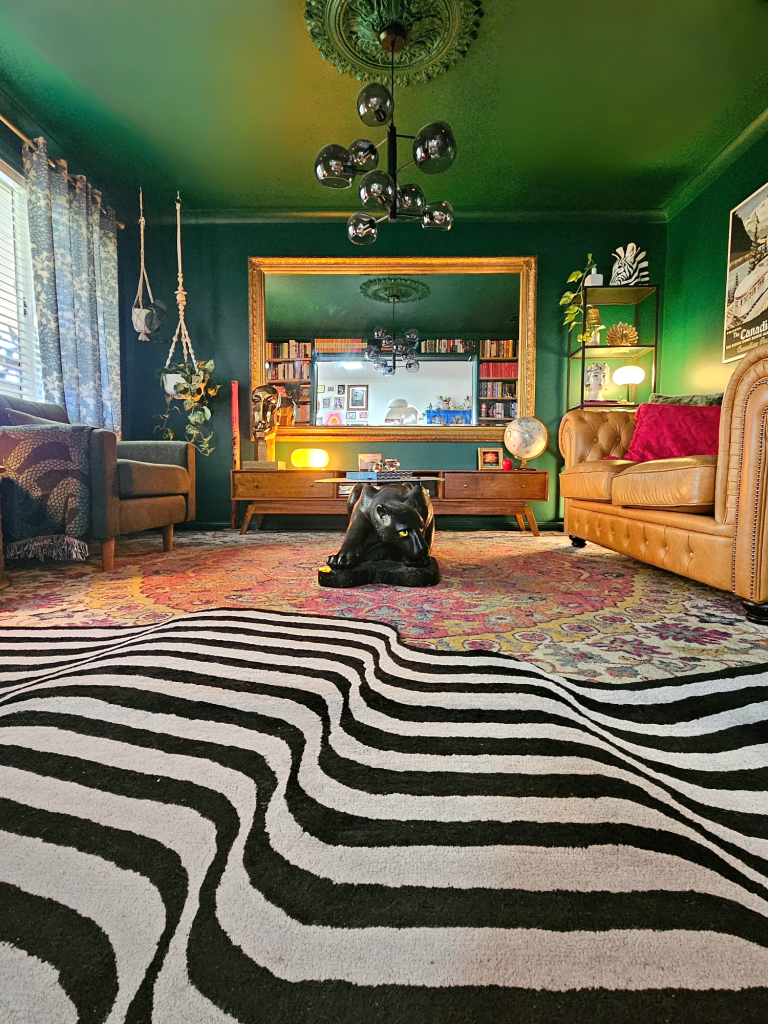
Don’t be fooled into thinking you need to stick to the same one or two materials. You should definitely add texture to your home by mixing materials like timber (including different varieties), metal, glass, rattan, and stone.
Rooms feel flat when everything is the same finish. Combining a mixture of materials adds depth and warmth, even (and especially) in a home with a neutral colour palette.
4. Style in odd numbers
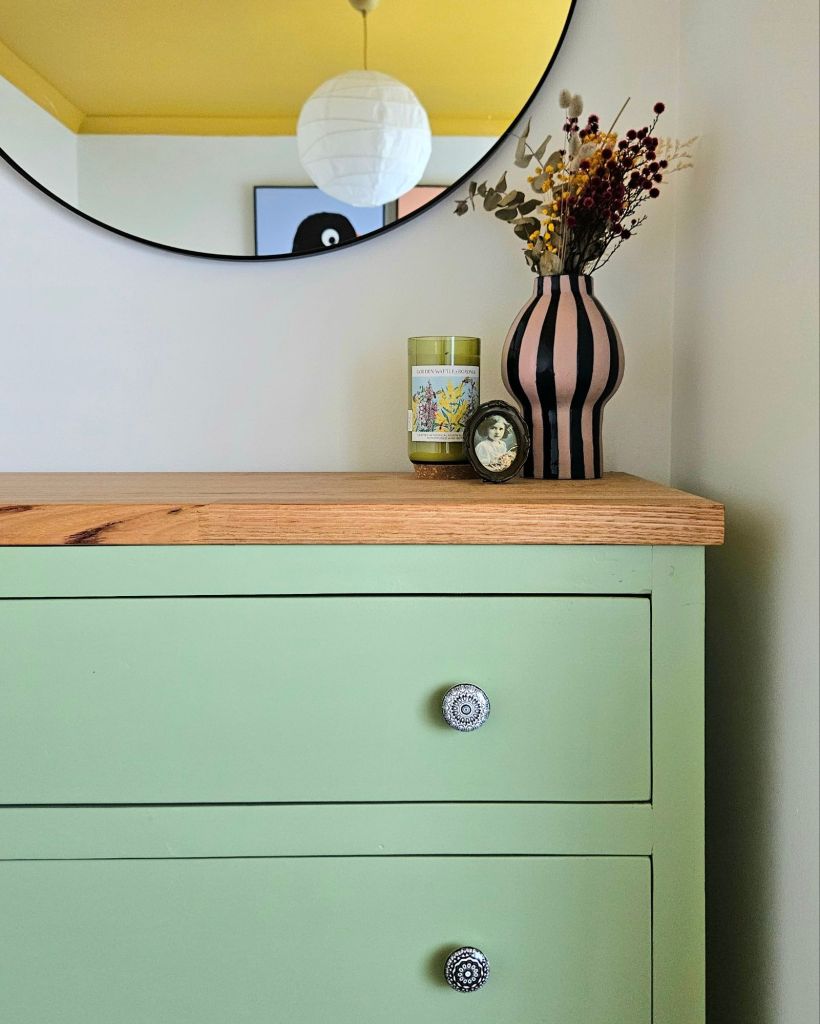
For some reason, odd-numbered groupings feel more natural and visually interesting than even ones. I don’t make the rules! 🤷♀️
The ‘rule of three’ simply refers to arranging your decor so that it creates a visual triangle.
You can easily create a visual triangle with height differentiation; for example, styling a corner with one large item, a medium one beside it, then a smaller item placed centrally in front of the two larger items.
5. Hang curtains high and wide
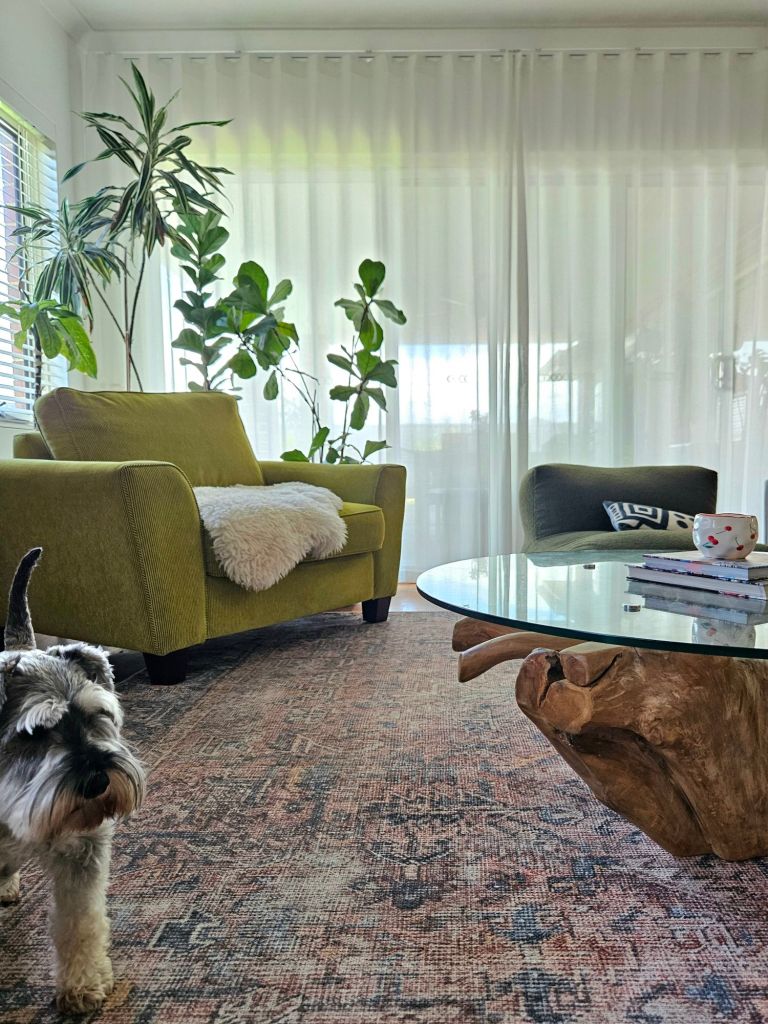
Even if your windows don’t go up to the ceiling, your curtains still can!
Hanging your curtains high will give the illusion of higher ceilings, adding a sense of grandeur to the space.
Also, it just looks better 🤷♀️
So don’t leave that awkward bit of wall up the top there empty. Install your rod close to the ceiling (or even on the ceiling, if you have a track) and let your curtains kiss the floor.
Equally, ordering curtains that sit a few inches wider than your window will improve the look too – just make sure you get them wide enough to allow for fullness in your curtains.
🎬 WATCH: Hang your curtains high
6. Go bigger with rugs
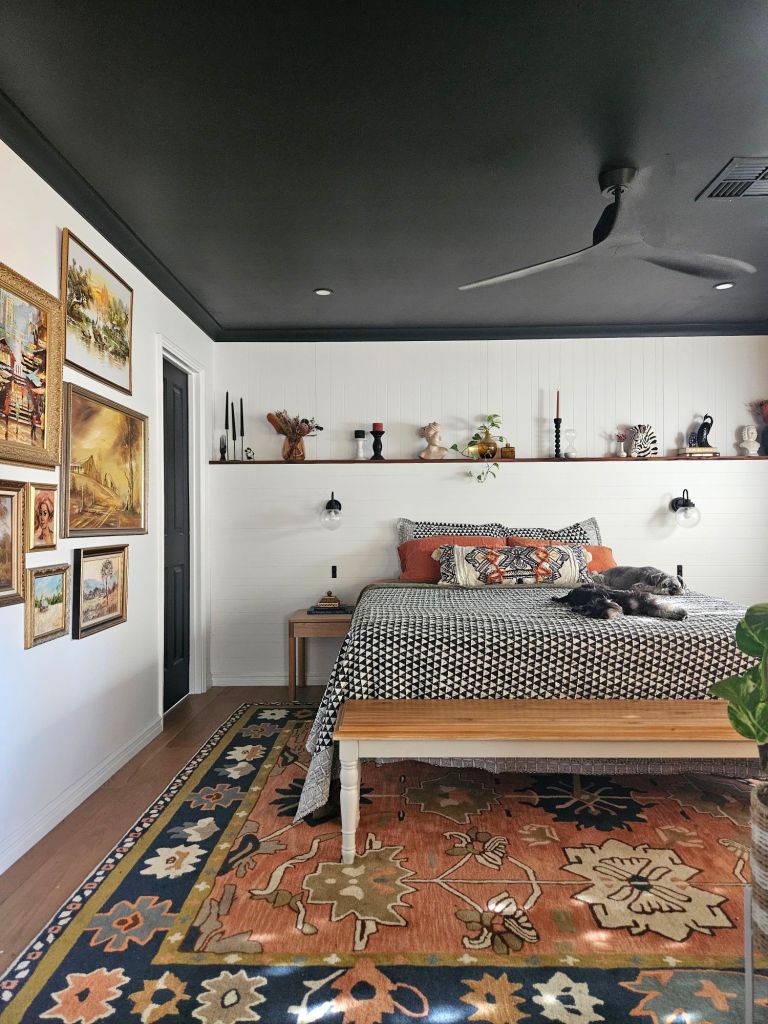
When it comes to rugs, bigger is usually better 📏
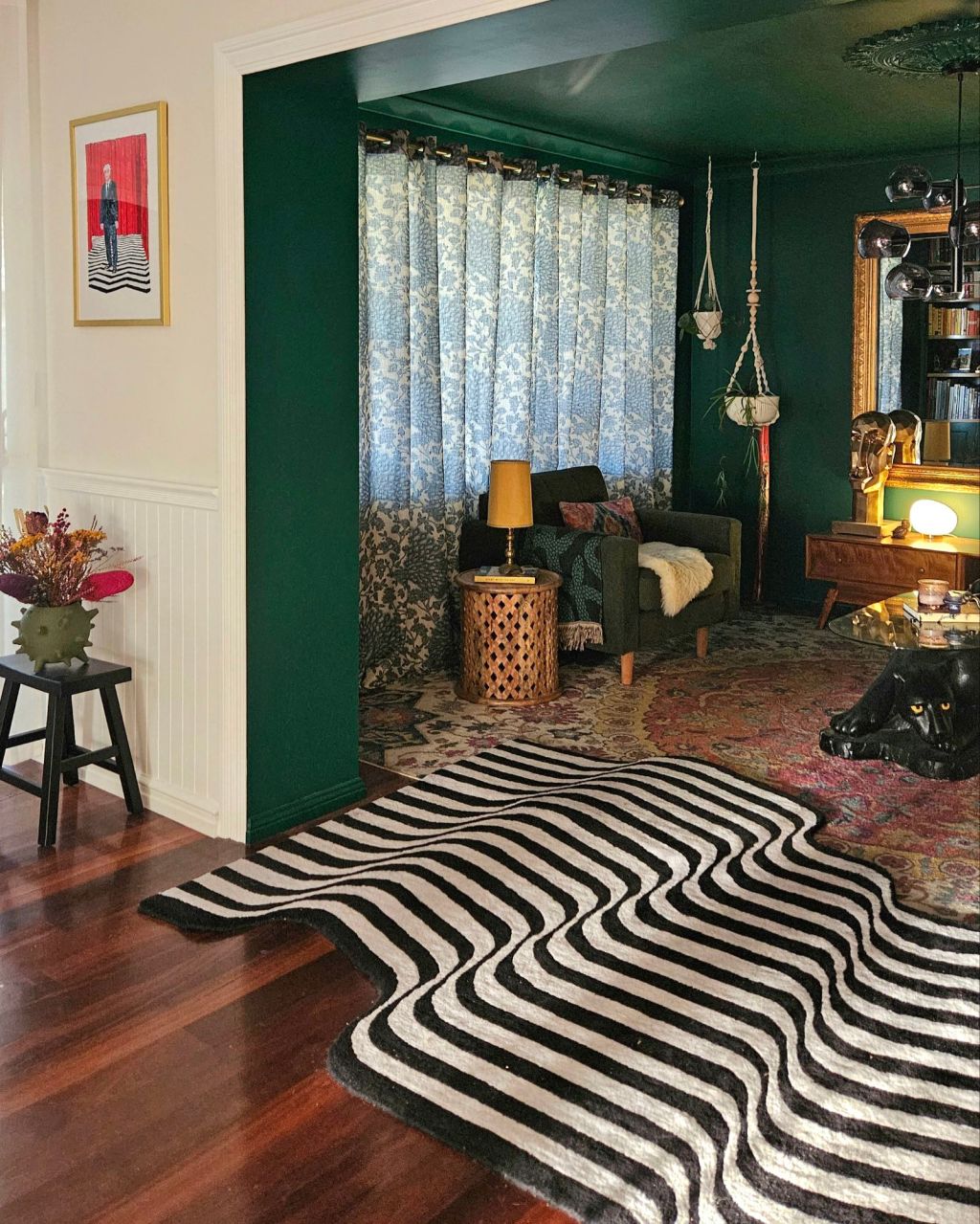
In living rooms, your rug should be longer than your sofa. Add a few inches of rug on either end and tuck it under the front feet. Tucking your rug under your living room furniture will help zone the space and make it feel more welcoming.
In dining rooms, your chairs should always remain on the rug even when they’re pulled out, so make sure you order a rug that’s large enough to accommodate them.
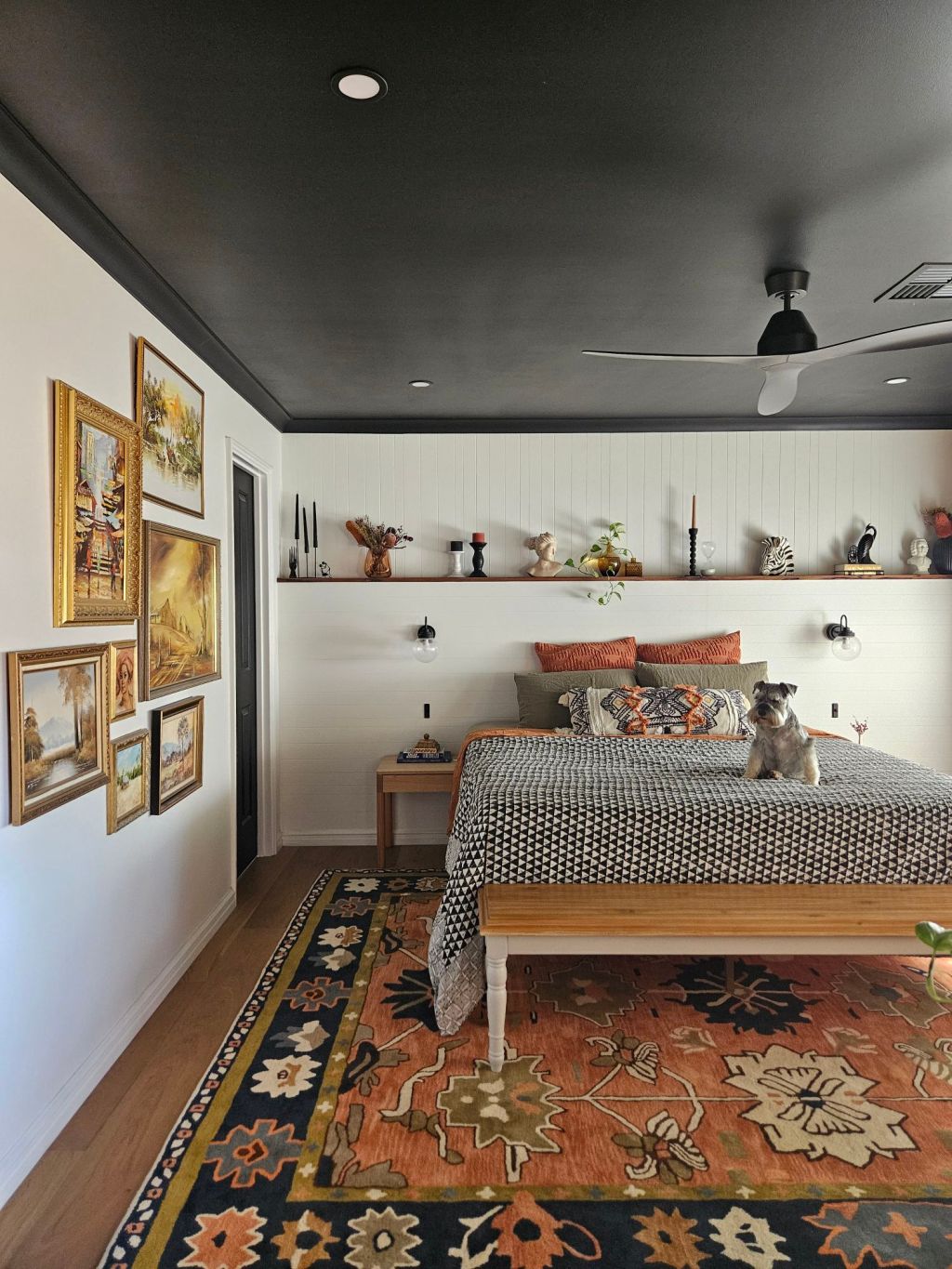
In bedrooms, your rug should be as wide as your bed and your two bedside tables. Place your rug underneath so that your feet hit the rug when you get out of bed.
Here’s a handy visual guide by Apartment Therapy.
7. Mix shapes
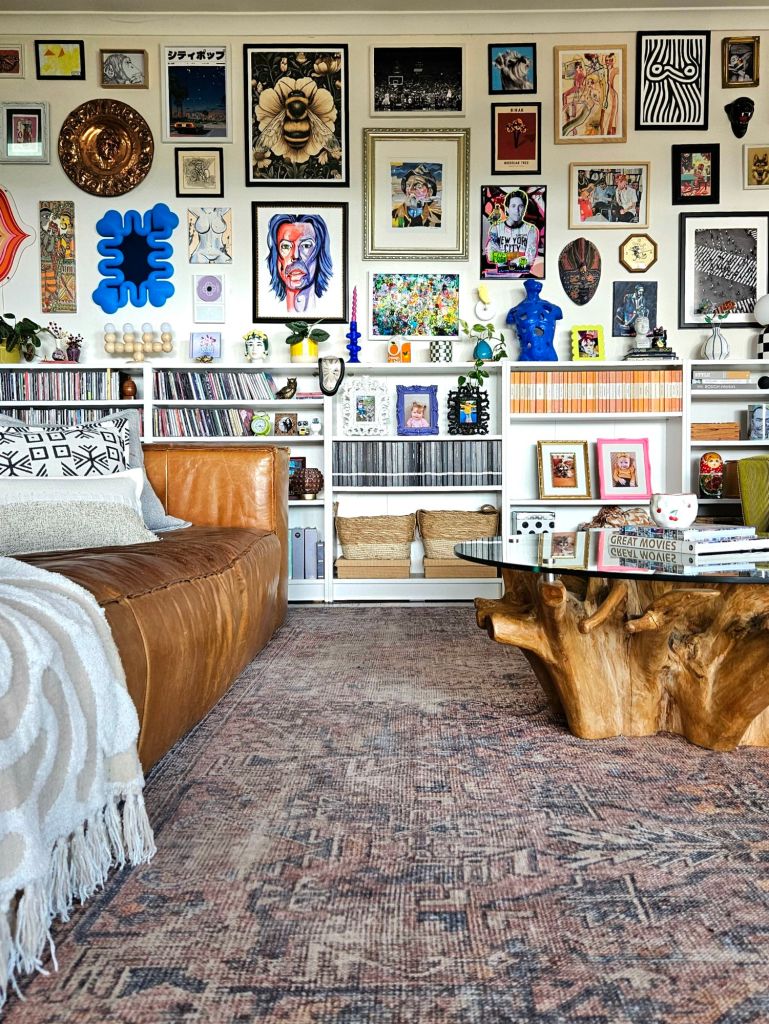
If your space is feeling a little one-note, take a look around. Is everything more or less the same shape? 👀
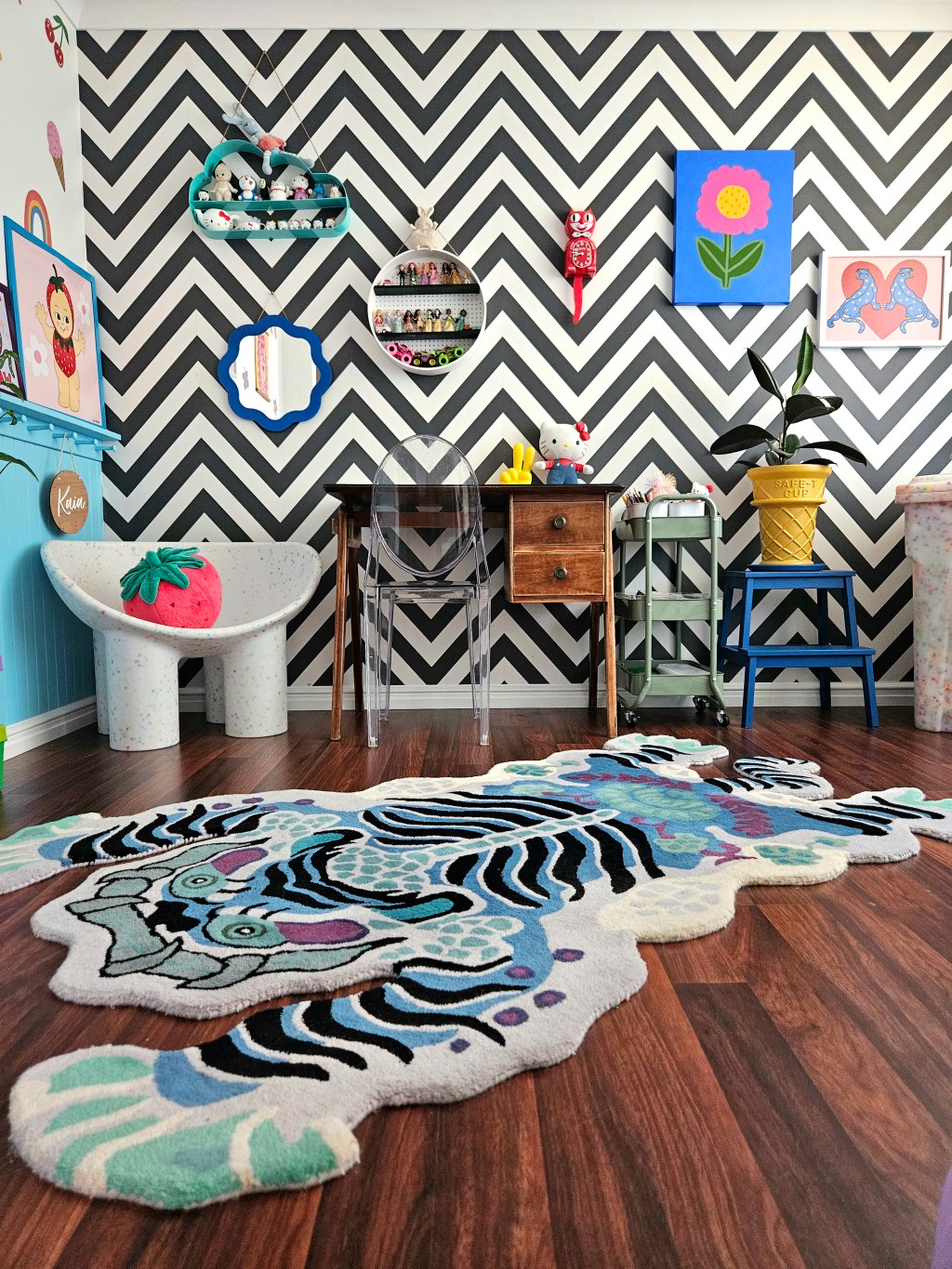
Rectangular shapes feel very structured and modern, and often, more masculine. On the other hand, curvy shapes tends to feel more feminine, adding softness and movement to a space.
It’s a good idea to mix it up so it doesn’t feel too much of one thing ⚖️
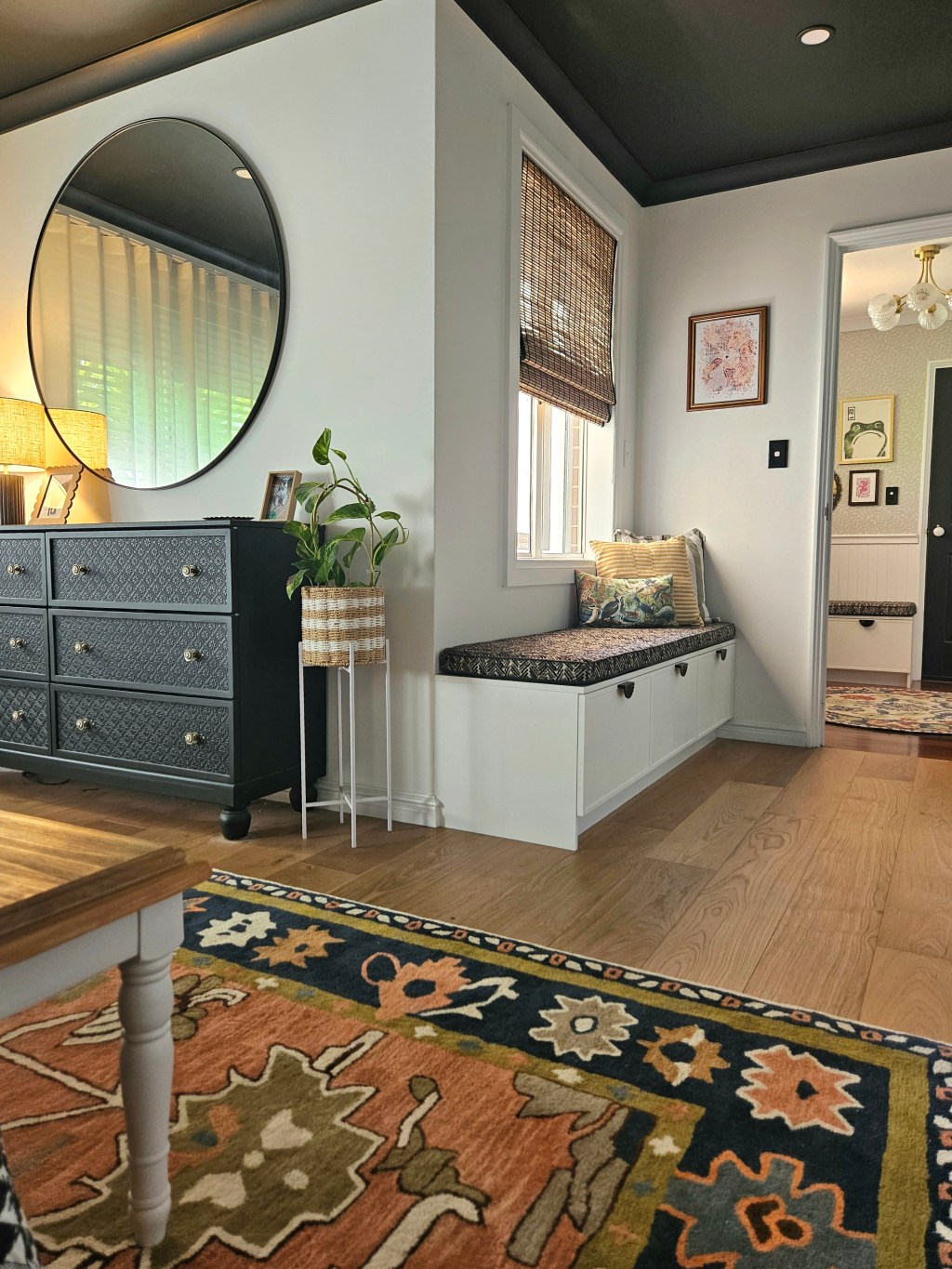
If you’ve got a boxy sofa, pair it with a round or oval coffee table. Or, if you have a gallery wall, incorporate a few rounded items like a clock and a mirror to break up the sharp lines.
Mixing your shapes will make your space feel more balanced and thoughtful 👌🏽
8. Hang art at eye level
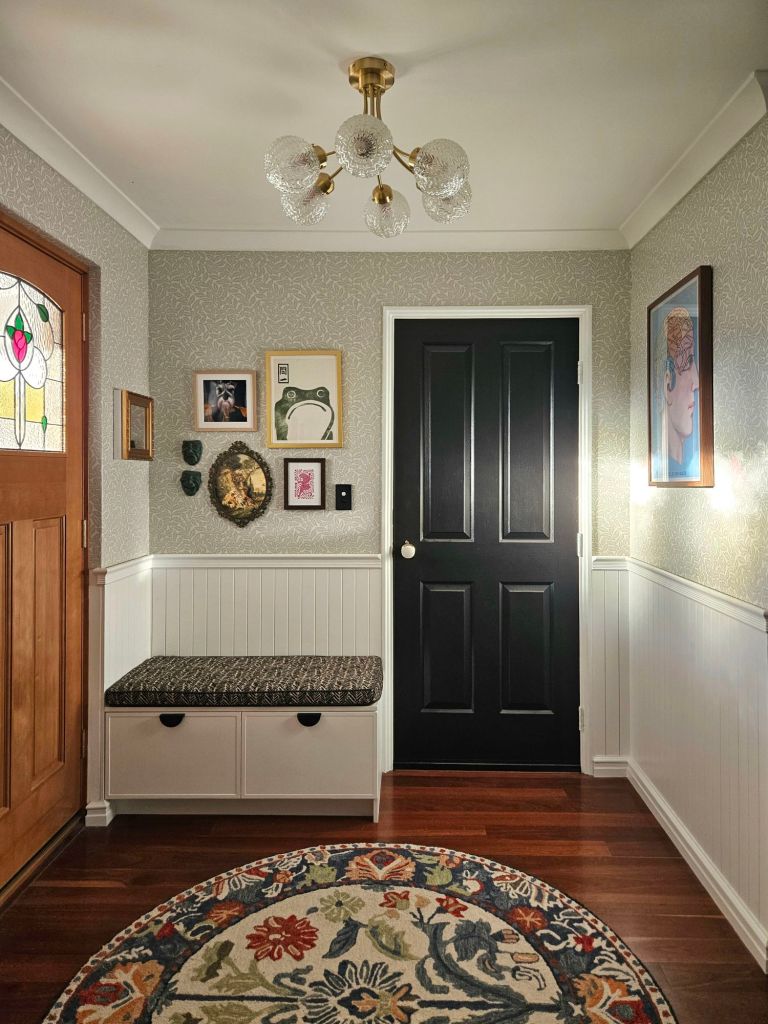
Art is for you to enjoy, so make sure it’s at the best viewing angle for you.
Art should generally be centred around eye height, not floated high on the wall.
Hanging art at eye level creates a stronger connection between the artwork, furniture, and of course, the people living in the space.
9. Don’t match everything
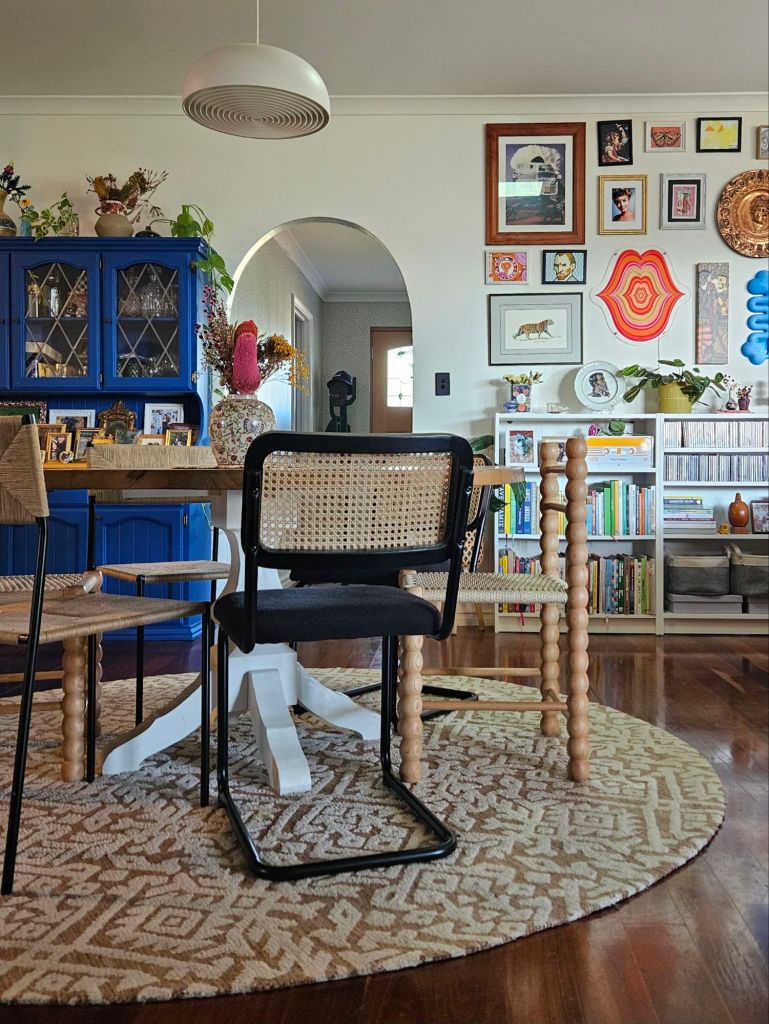
There’s no need to go matchy matchy in 2026. Instead of trying to match everything, learn to coordinate your decor instead 💞
Perfectly matching sets can feel impersonal; probably because you’ve literally bought them all at once.
Coordinating colours, finishes, or styles will make your room feel collected and layered rather than showroom-styled.
10. Create a focal point
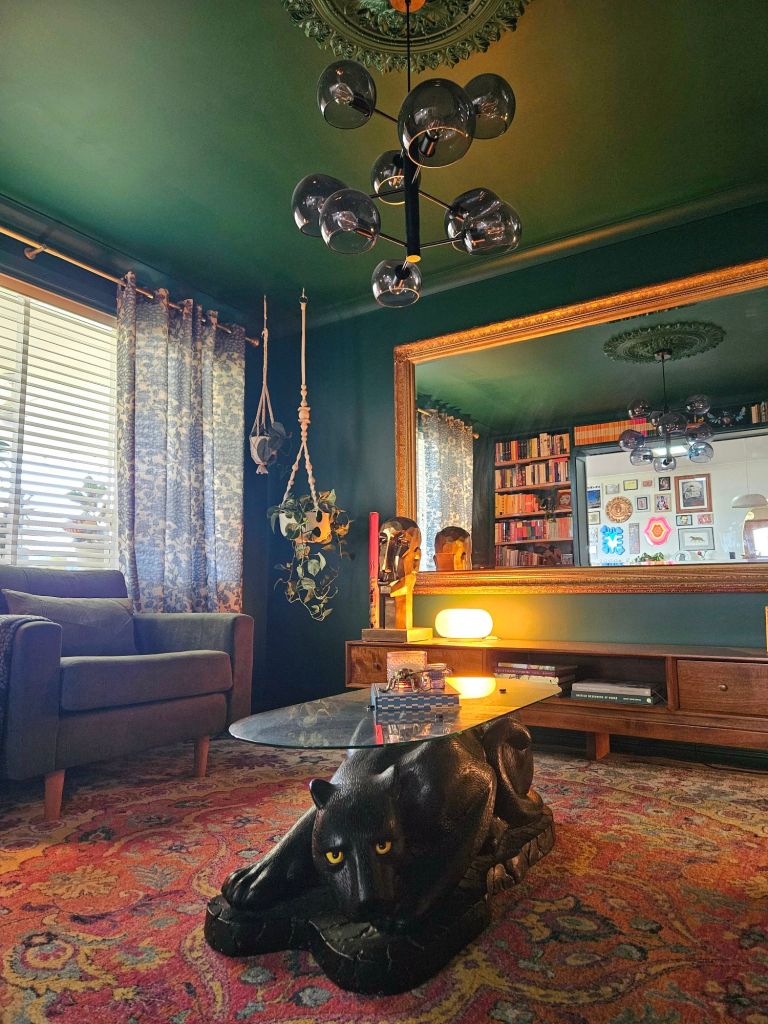
Every room needs a focal point, so decide what it is and decorate the rest of your space to highlight it 🐈⬛
A focal point gives the room structure and direction. Maybe it’s a unique coffee table, a fireplace or an artwork.
Whatever it is, choose your items wisely so that everything else supports and enhances it, without overpowering or competing with it.
11. Plants are essential
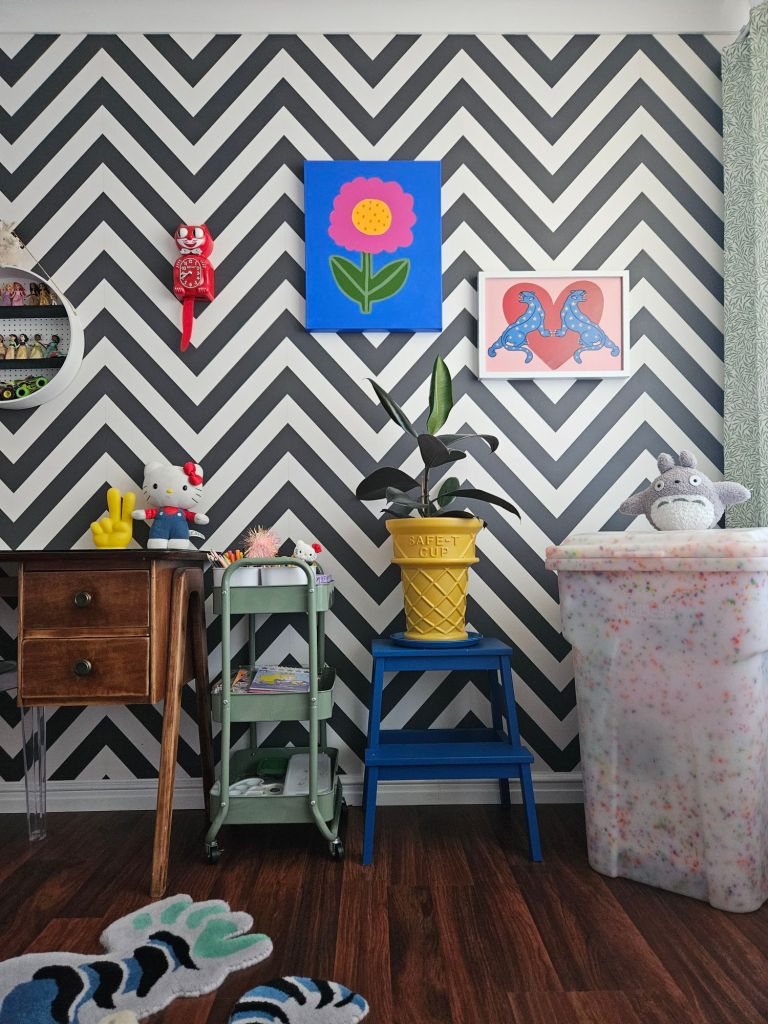
Plants are a surefire way to make a room feel more cosy 🪴
Even if you’re no green thumb, just one hard-to-kill plant will help make your space feel alive.
Greenery adds life, softness, and movement to a space. A pretty plant will make a room feel warmer and more lived-in, but if you can manage more than one, go for it! You can never have too many plants 😍
12. Add mirrors strategically
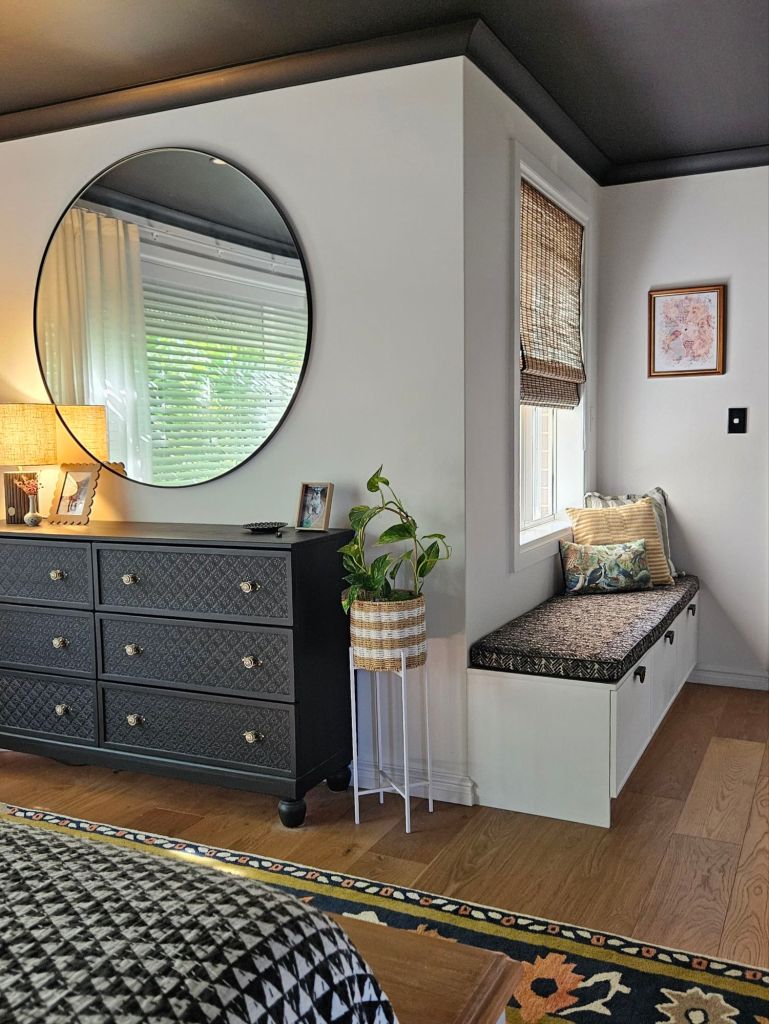
Mirrors are magic 🪞
Not only are mirrors functional and a beautiful way to decorate a wall, but they also bounce around light and trick the eye into thinking a space is bigger.
Placing a mirror opposite windows and lamps maximises their impact, making them perfect for rooms that lack natural light or are a little on the smaller side.
13. ‘Float’ your sofa
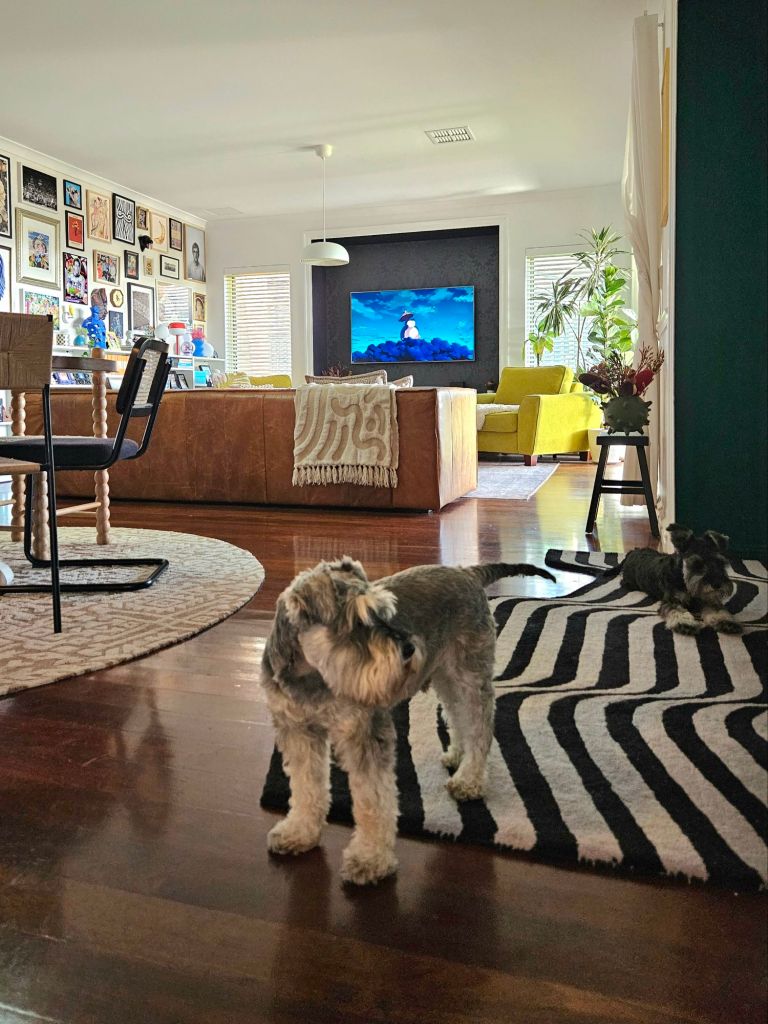
Just because there’s a wall doesn’t mean your furniture has to touch it 🙅♀️
So resist the urge to push your sofa hard up against the wall, especially if you have an open-plan space and enough room not to.
Floating furniture and avoiding very high-back sofas helps maintain sightlines, improves flow, and keeps the room feeling open rather than boxed in.
14. Use symmetry to calm a space
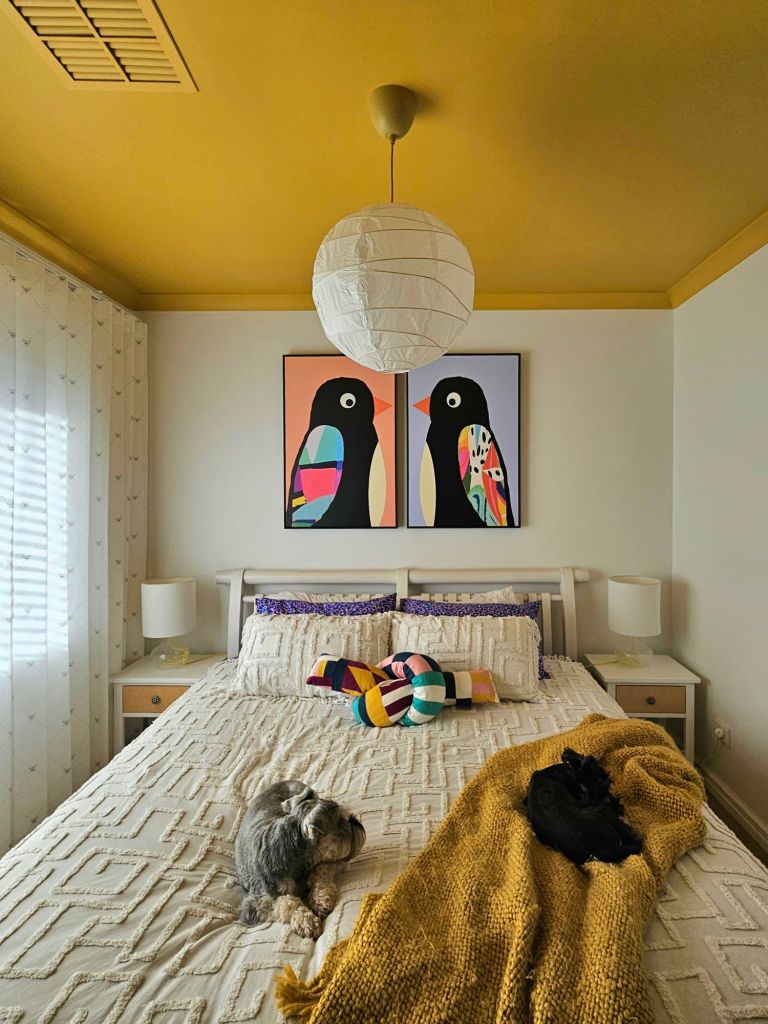
Symmetry brings balance and order. This feels especially appropriate in a bedroom, where you want to feel rested and relaxed.
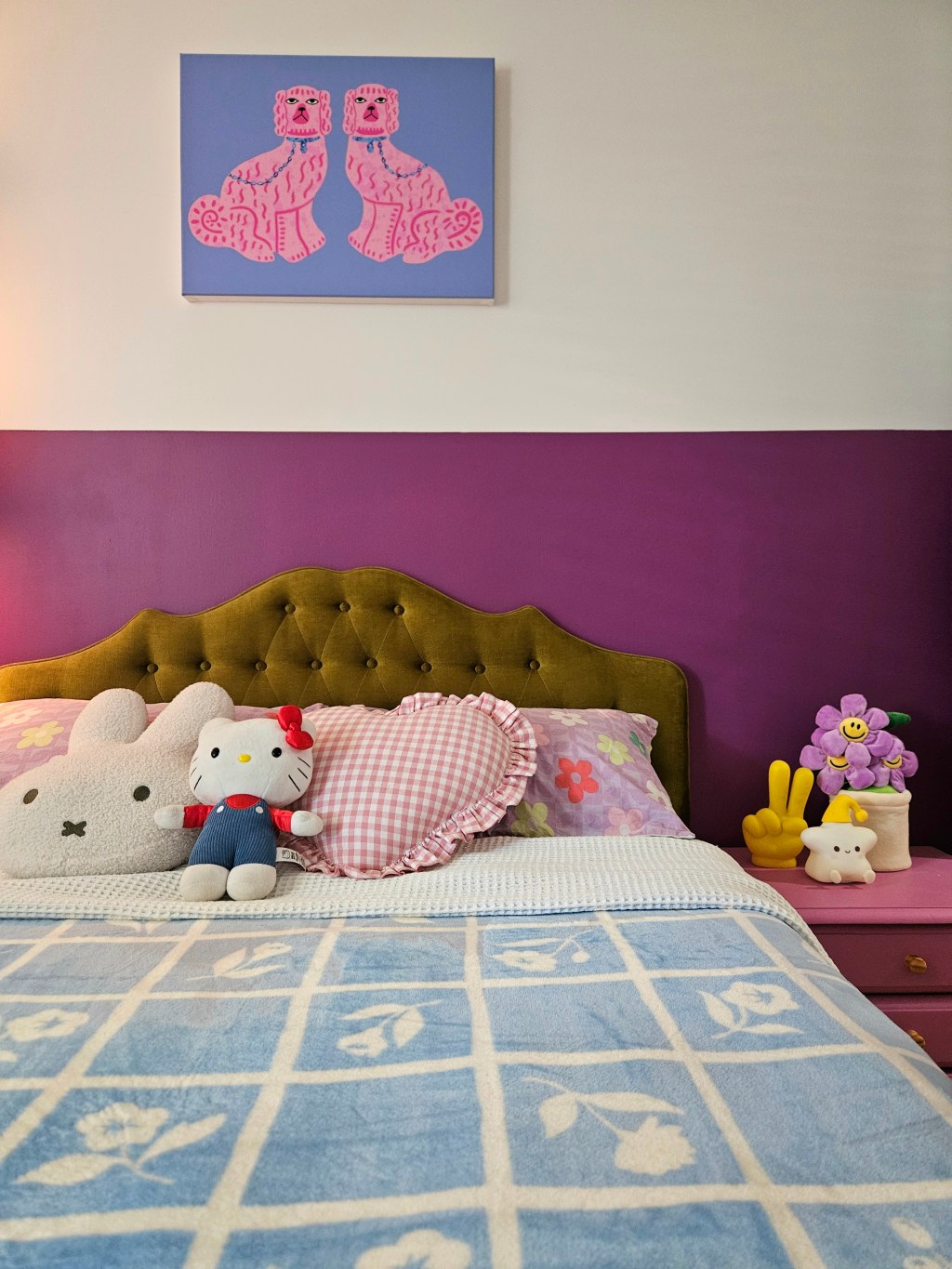
By creating symmetry in a bedroom via a centred bed, matching bedside tables and lamps, and artwork, you’re creating an intentional sense of calm 😌
15. Mind your scale
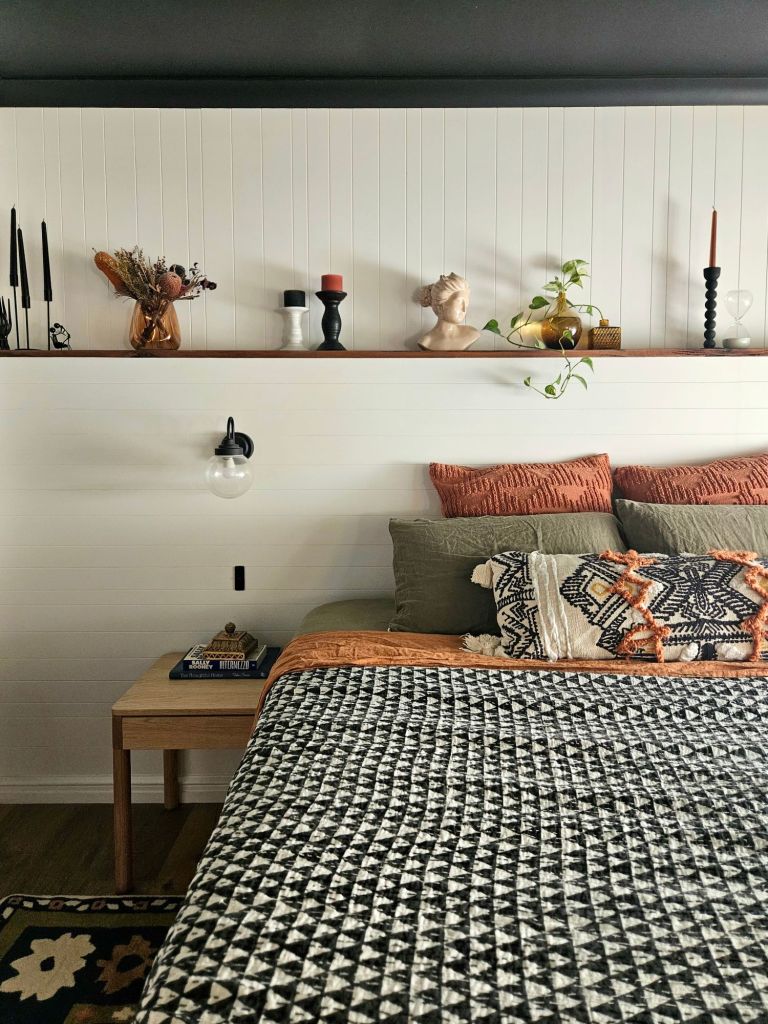
Avoid decorating large surfaces with small decor 🙈
Tiny accessories can look lost on large consoles, tables, or wide display ledges. Instead, use fewer, larger pieces or grouped items to create visual weight and proportion.
Equally, don’t overcrowd a small space with too much bulky decor. It’s important to match the scale of the space you’re styling.
16. Create zones
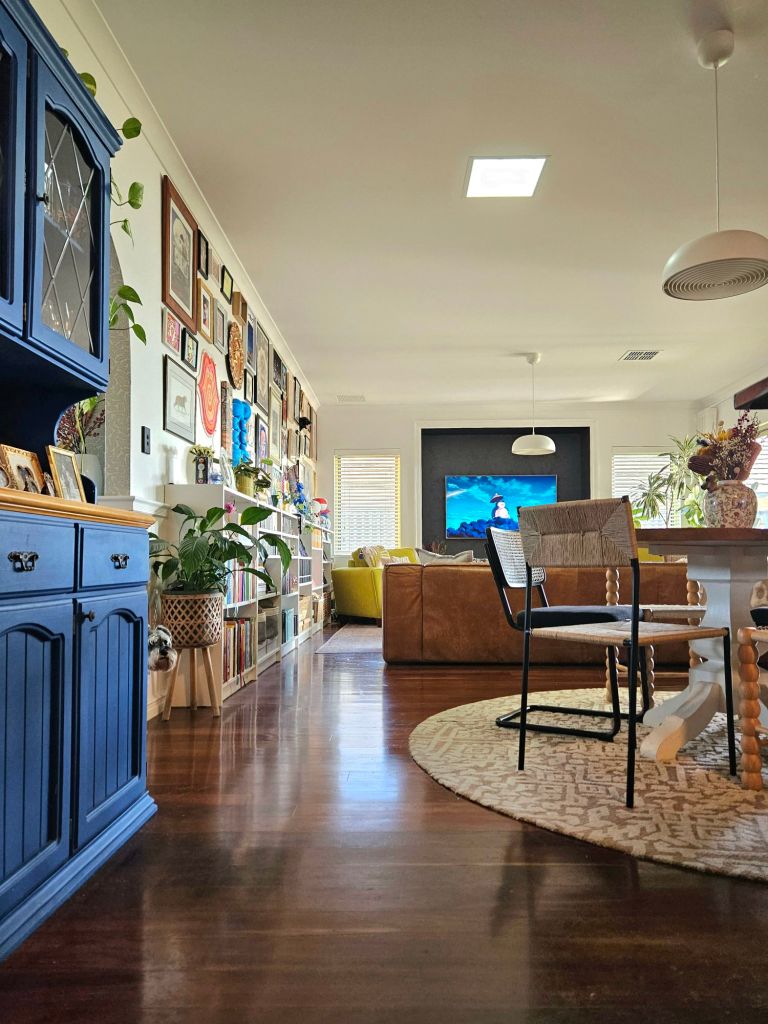
If, like me, you have an open-plan living space, it helps to visually create ‘zones’ to define what is living space and what is dining space.
Zoning makes large spaces feel more functional, cosy, and purposeful without adding walls.
Rugs and pendant lights are perfect for this. By placing a rug below your dining table and a suspended pendant light above it, you’ve visually defined the space 👏
👉 Follow us on Instagram or Facebook for more @mismatchedhome.

 mismatchedhome.blog
Leave a comment